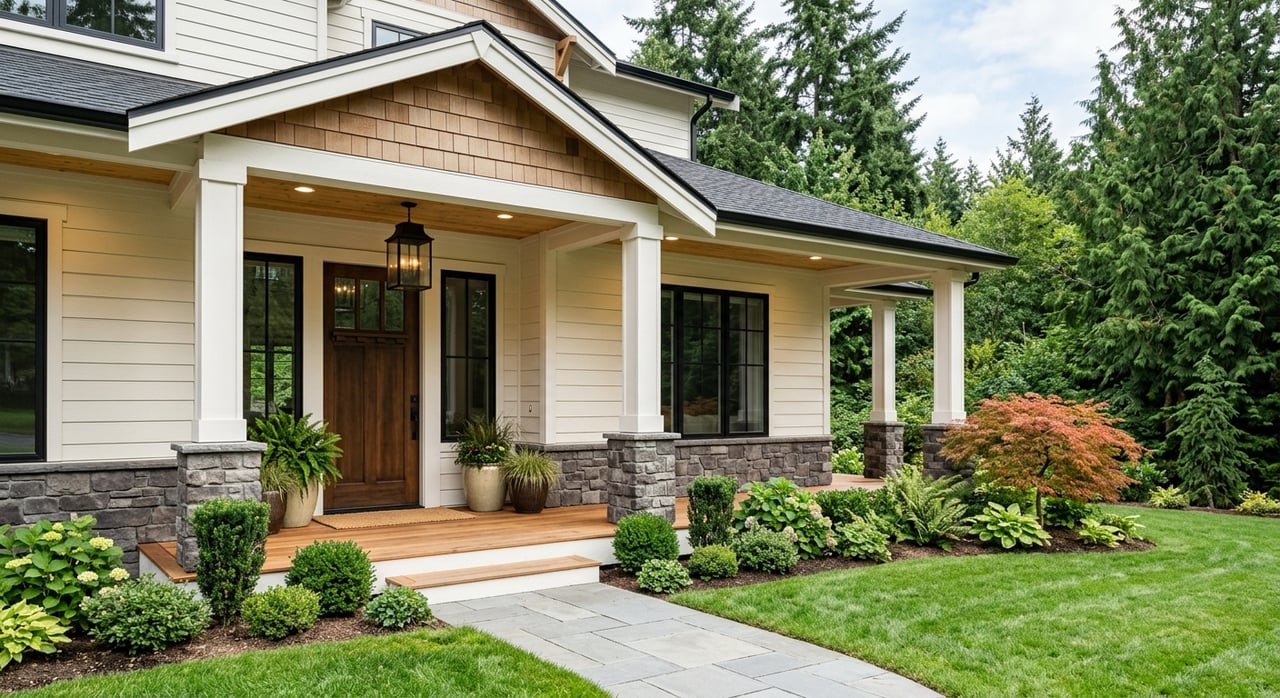
Looking for more space without feeling too far from daily essentials? Cathcart, WA offers a quieter, more residential setting that appeals to buyers who want room to spread out, a strong ownership base, and easy access to outdoor recreation. If you are weighing Cathcart against nearby areas like Mill Creek, Snohomish, Monroe, or Everett, this guide will help you understand what day-to-day life feels like here. Let’s dive in.
Cathcart at a glance
Cathcart is a small community in Snohomish County with an estimated 2,064 residents spread across about 3.9 square miles. That works out to a lower-density feel than many nearby suburban areas, which is a big part of its appeal.
The median age is 45.3, which suggests a more settled population than the broader Seattle metro. In practical terms, Cathcart tends to feel more established and residential than fast-paced or urban.
Everyday feel in Cathcart
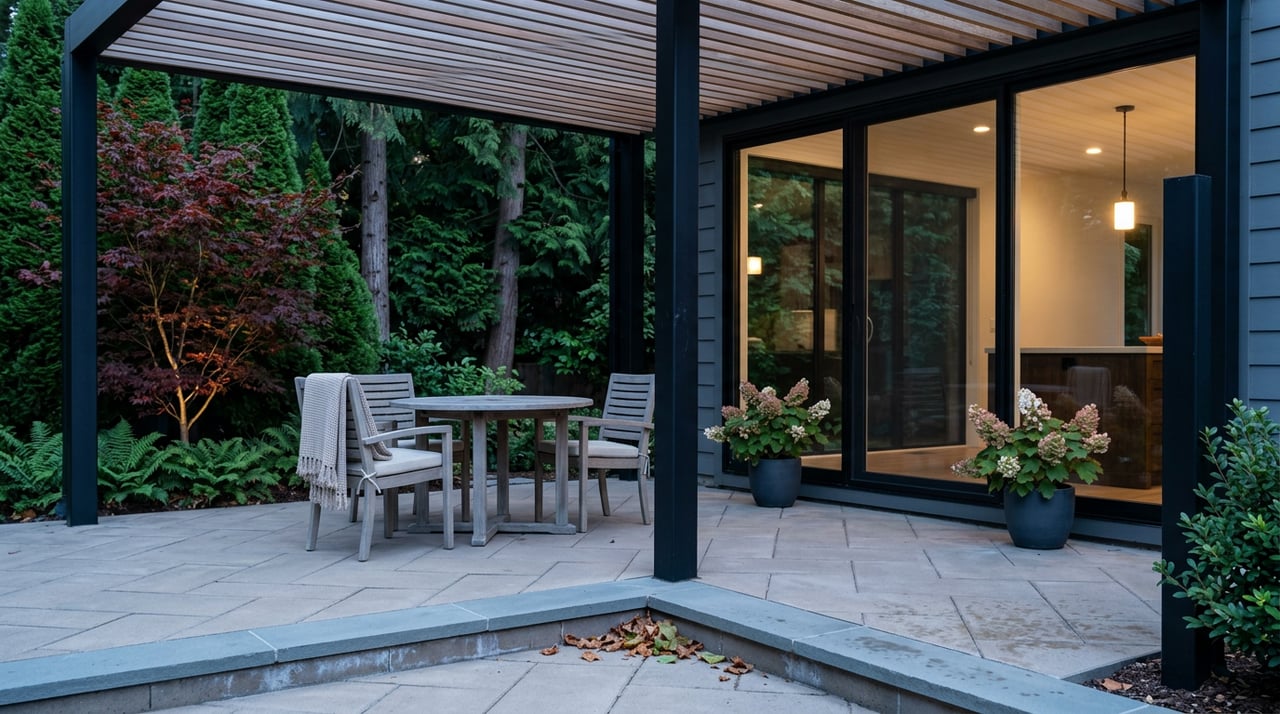
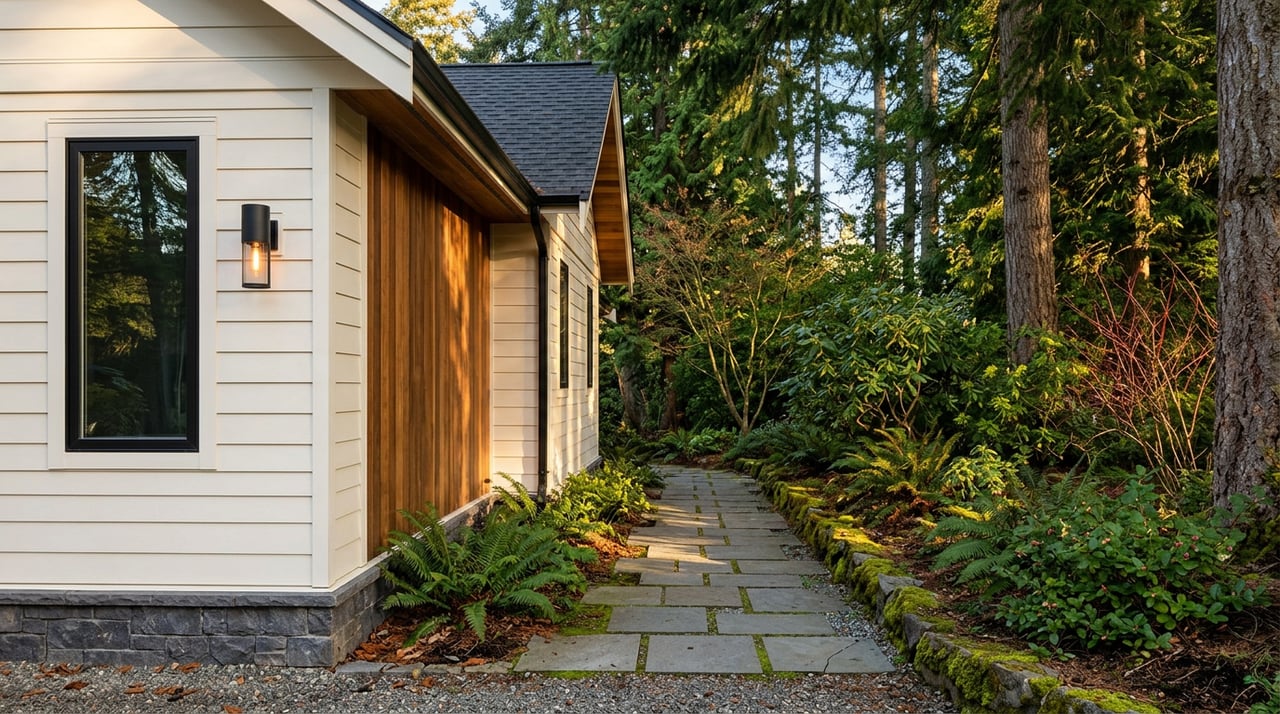
If you picture wide residential areas, detached homes, and a quieter pace, you are on the right track. Cathcart reads more like a suburban edge community than a town with a central downtown core.
That means your day-to-day lifestyle may lean more toward home, yard, privacy, and nearby driving routes than walkable blocks of shops and restaurants. For many buyers, that is exactly the draw.
Another sign of stability is that 92% of residents lived in the same house a year earlier. In a local market where some areas turn over more quickly, Cathcart stands out as a place where many people stay put.
Homes in Cathcart
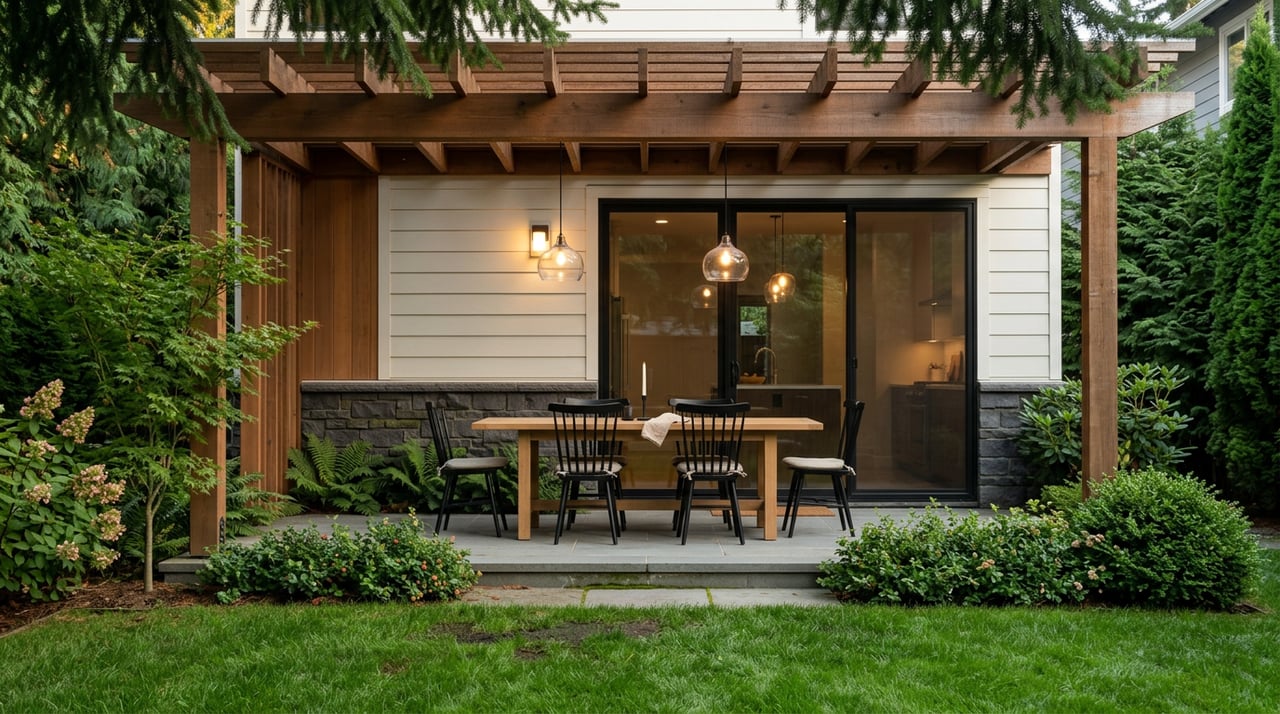
Cathcart’s housing stock is dominated by detached homes. Current profile data shows 87% single-unit structures, 97% occupied housing units, and 86% owner-occupied homes.
That ownership pattern shapes the feel of the area. You are more likely to find an established residential setting than a high-share rental environment, which often appeals to move-up buyers looking for long-term fit.
Cathcart also sits at a higher price point within the Snohomish County area. The median value of owner-occupied homes is $908,900, with many homes in the $500,000 to $1 million range and another meaningful share above $1 million.
For buyers, that means Cathcart is typically not an entry-level market. It tends to make more sense for households looking for more space, more privacy, and a more residential setting at an upper-end suburban price point.
Commute and transportation
One of the clearest things to know about Cathcart is that it is a car-oriented place. Census-based data shows a mean travel time to work of 47.5 minutes, with most commuters driving alone.
That does not mean there are no transit options nearby, but it does mean your daily rhythm will likely center on driving. If commute time is a major factor in your move, Cathcart is worth evaluating carefully against your work patterns.
Snohomish County has built bus pullouts on Cathcart Way for Community Transit route 109 at Cathcart Way and Snohomish-Cascade Drive, as well as Cathcart Way and Puget Park Drive. County planning materials also describe a planned park-and-ride or transit center, possible bus rapid transit along Cathcart Way, and connections toward future light rail access on the I-5 corridor.
There are also planned improvements tied to the Cathcart Way and SR 9 area, which shows that this corridor is a transportation focus for future growth. Even so, most current residents appear to rely on private vehicles and park-and-ride use rather than local walkability or all-day transit access.
Parks and outdoor access
For many people, outdoor access is one of Cathcart’s strongest lifestyle advantages. Willis Tucker Community Park, located in the Clearview area off Cathcart Road, offers walking trails, woods, baseball fields, and an off-leash dog park.
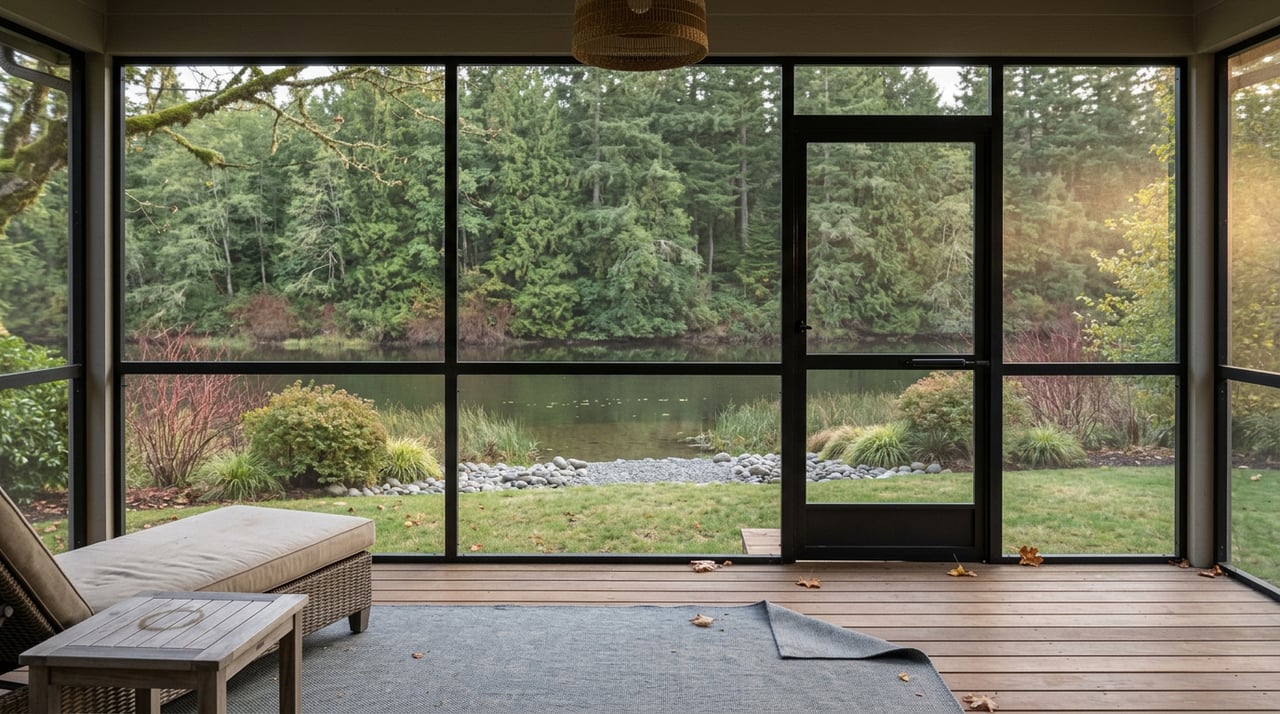
That kind of nearby recreation can make a real difference in daily life. Whether you want a place to walk the dog, get outside with your kids, or simply enjoy more green space, this is one of the local amenities that adds value to the area.
The wider area also benefits from the Centennial Trail, a 30-mile multi-use trail in Snohomish County. For biking, walking, or casual weekend outings, it is a major regional amenity that supports an active lifestyle.
Shopping, dining, and errands
Cathcart itself is more residential than retail-focused, so many errands and outings naturally happen in nearby communities. That is an important part of understanding what it is like to live here.
Snohomish offers a historic downtown setting with cafes, bakeries, art galleries, antiques, local history, and a riverside promenade. The Snohomish Farmers Market also runs on Thursdays from May through October in Historic Downtown Snohomish.
Mill Creek is another common destination for daily needs and dining out. Its Town Center includes more than 80 shops, restaurants, and services, along with parks, trails, and recreation facilities nearby.
If you like the idea of living in a quieter residential area while staying close to shopping and gathering places, Cathcart can strike that balance well. You may not have everything right outside your front door, but you are close to several strong nearby options.
Growth and future development
Cathcart is not frozen in time. County planning documents show that parts of the area include zoning for business park, neighborhood business, multiple residential, and low-density multiple residential uses.
The county has also studied the Cathcart South and Cathcart West corridor for future development. That suggests some areas may remain low density while key parcels near SR 9 and Cathcart Way gradually see more mixed-use and transit-oriented growth over time.
For buyers, this matters because it can shape future convenience, traffic patterns, and the character of certain corridors. If you are considering a purchase here, it is smart to look not just at the home itself, but also at the immediate area around it.
How Cathcart compares nearby
Cathcart often gets compared with Mill Creek, Snohomish, Monroe, and Everett. While all of these areas serve different lifestyles and budgets, Cathcart occupies a distinct middle ground.
| Area | Median Owner-Occupied Home Value | Mean Commute | General Feel |
|---|---|---|---|
| Cathcart | $908,900 | 47.5 minutes | Quiet, low-density, residential |
| Mill Creek | $903,800 | 33.0 minutes | Amenity-rich suburban setting |
| Snohomish | $683,900 | 29.1 minutes | Historic, walkable downtown nearby |
| Monroe | $668,400 | 31.3 minutes | Exurban alternative |
| Everett | $565,300 | 26.9 minutes | More urban and more affordable |
Compared with Mill Creek, Cathcart has a similar upper-end price point but generally a longer commute and less concentrated retail. Compared with Snohomish or Monroe, Cathcart is usually more expensive and more residential in feel.
Everett sits on the opposite end of the spectrum, with a more urban environment, lower median home values, and shorter average commutes. If your priority is space and a quieter setting, Cathcart may feel like a better fit than Everett, even if it asks for more driving.
Who Cathcart may fit best
Cathcart can be a strong match if you want a home that feels a little more tucked away while still staying connected to the broader Snohomish County area. Buyers who value privacy, detached homes, outdoor access, and a more established ownership base often find the area appealing.
It can also work well for move-up buyers who are comfortable with a higher price point and do not need an urban lifestyle. If you are hoping for a dense town center or a short, transit-friendly commute, other nearby locations may be a better match.
In other words, Cathcart is often less about convenience at your doorstep and more about space, stability, and a quieter day-to-day environment. That tradeoff is what many buyers come here for.
If you are exploring Cathcart or comparing it with nearby neighborhoods in Snohomish County, working with a local guide can help you look beyond the listing photos and understand how a home fits your lifestyle. For personalized insight on Cathcart and surrounding communities, connect with Crystal Dickerson.
FAQs
What is Cathcart, WA like for everyday living?
- Cathcart feels quiet, low-density, and primarily residential, with most daily life centered on detached homes, driving, and nearby outdoor access.
What kinds of homes are common in Cathcart, WA?
- Cathcart is mostly made up of single-unit detached homes, and the area has a high share of owner-occupied housing.
Is Cathcart, WA a good fit if you want walkability?
- Cathcart is not known for a walkable town-center lifestyle, so many shopping, dining, and errand trips happen in nearby Snohomish or Mill Creek.
How expensive are homes in Cathcart, WA?
- The median value of owner-occupied homes in Cathcart is $908,900, which places it at the higher end of the local market.
What is the commute like from Cathcart, WA?
- Commutes in Cathcart are generally car-based, and the mean travel time to work is 47.5 minutes.
Are there parks and trails near Cathcart, WA?
- Yes. Willis Tucker Community Park is a nearby recreation anchor, and the wider area also benefits from access to the 30-mile Centennial Trail.
How does Cathcart, WA compare with Mill Creek or Snohomish?
- Cathcart has a similar price point to Mill Creek but a quieter, less retail-focused feel, while it is generally pricier and more commute-heavy than Snohomish.