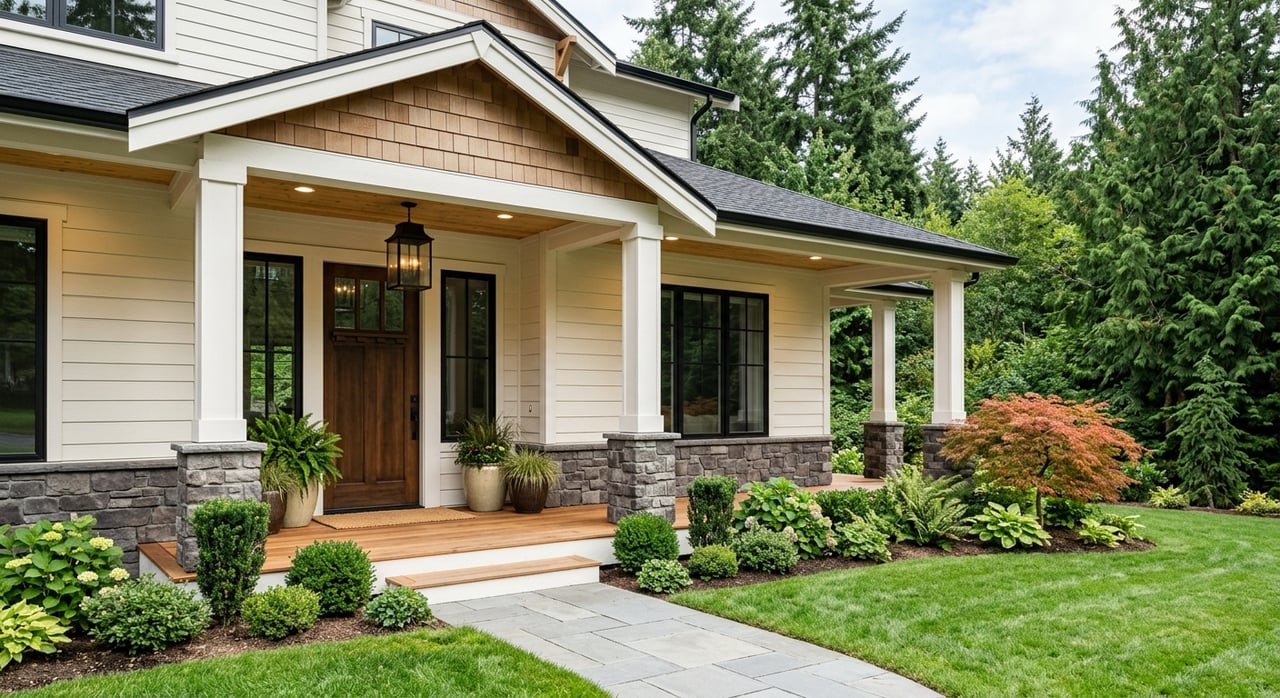
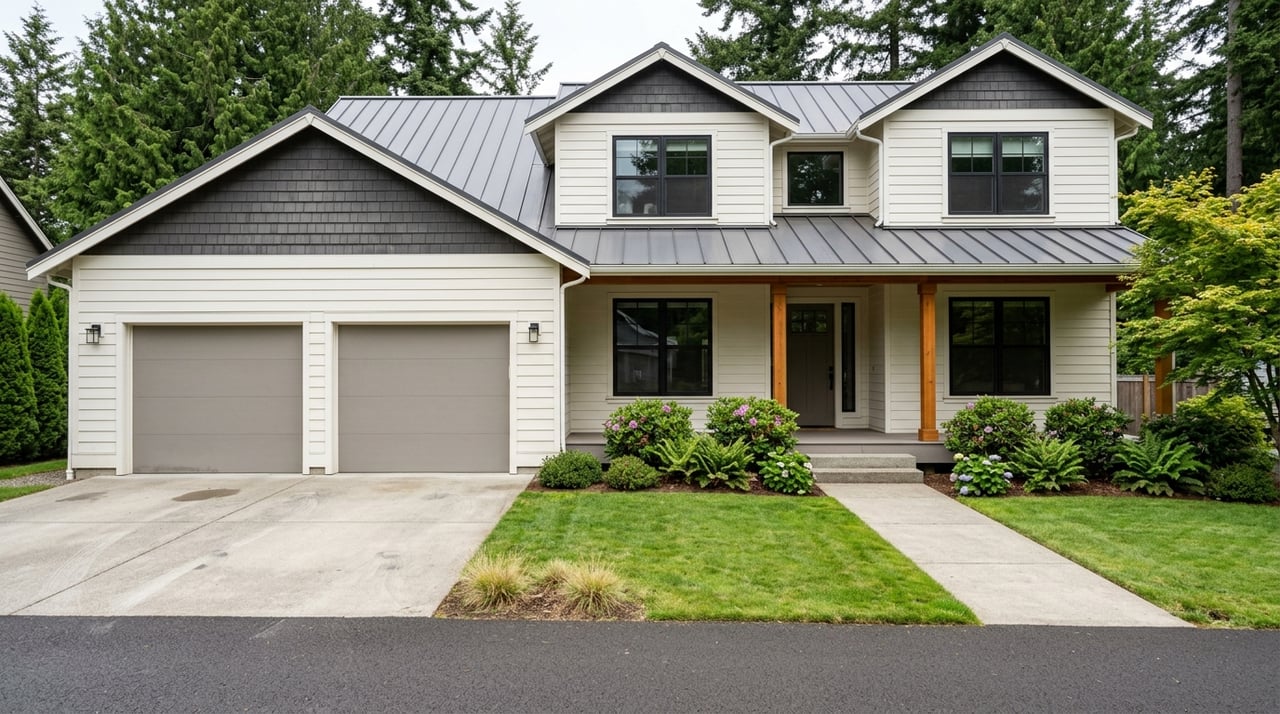
If you are trying to choose between new construction and a resale home in Snohomish, you are not alone. In a market where homes can go pending quickly, the right choice often comes down to your timeline, budget, and how much flexibility you want during the process. This guide will help you compare both paths so you can move forward with more clarity and confidence. Let’s dive in.
Snohomish Market Conditions Matter
Snohomish is a fast-moving market, which can shape how you shop and how quickly you need to decide. As of March 31, 2026, Zillow reports a typical home value of $939,010, about 140 homes for sale, and homes going pending in around 11 days in Snohomish. Zillow’s Snohomish market data and local county commentary both point to the same trend: low inventory and steady demand.
That pace affects both resale and new construction buyers. With resale, you may need to act quickly when the right home hits the market. With new construction, you may have more time to choose a home and finishes, but the build and approval timeline can be much less predictable.
Compare New Construction And Resale
The biggest differences usually come down to timeline, customization, and certainty. A resale home already exists, so you can evaluate the actual house, lot, and surrounding area before you buy. A new home may offer modern layouts and newer systems, but it often requires more patience and more decisions.
Here is a simple side-by-side look:
| Factor | New Construction | Resale |
|---|---|---|
| Timeline | Often longer and less predictable | Usually faster because the home is already built |
| Home condition | New materials and systems | Varies by age, upkeep, and updates |
| Customization | May allow finish and upgrade choices | Limited to the home as it stands |
| What you can evaluate upfront | Model home, plans, lot, specs, community plans | The actual home, lot, and existing features |
| Due diligence focus | Builder contract terms, timeline, upgrades, representation | Inspection, condition, repairs, and market competition |
Timeline Differences In Snohomish
New construction often takes longer
National data helps explain why new construction can test your patience. The U.S. Census Bureau reported an average of 5.9 months from start to completion for single-family homes built for sale in 2020.
That does not include everything that happens before construction starts. The same source set, along with NAHB findings cited in the research, shows that land development, zoning, site work, and lot readiness can add substantial time before a builder even begins vertical construction.
Local approvals can shape the schedule
In Snohomish County, residential permit applicants may need a site plan, structural plan, drainage plan, and water and sewer approval. Depending on the property, projects can also require legal lot status verification, access permits, land-disturbing review, or environmental review. The county’s residential permitting guidance shows why two builds that look similar on paper can end up with very different timelines.
If you are buying land first, due diligence becomes even more important. The county notes that lot status verification may be required to confirm whether a parcel was legally created, and that can affect whether a permit can move forward.
Boundary changes and utility access can add time
If your plan involves adjusting lot lines before building, Snohomish County says complete boundary-line adjustment applications are decided within 45 days. That can be helpful, but it is still another step to account for.
For some areas near the city, utility access may also affect timing. The City of Snohomish notes on its planning framework that development in the North Lake annexation area requires sewer availability, and sewer extensions beyond the trunkline must be built by developers. That means estimating a move-in date can be harder when land improvements are still part of the process.
Resale usually offers a faster path
A resale purchase is often more straightforward because the home is already there. You can tour it, evaluate the lot, and move through financing and closing without waiting for months of construction.
That said, faster does not mean skipping due diligence. The Consumer Financial Protection Bureau recommends scheduling an independent home inspection as soon as possible and keeping a satisfactory inspection contingency in place when possible.
Lot Size And Setting Can Feel Very Different
One of the most overlooked differences between new construction and resale in Snohomish is the setting itself. Not every part of Snohomish offers the same lot sizes, street patterns, or development style.
According to the City of Snohomish municipal code, the Single Family zone has a minimum lot size of 3,500 square feet. In the North Lake annexation area, planned single-family zoning includes a 7,200-square-foot minimum, while nearby county zones include 7,200- and 9,600-square-foot minimums. You can see those standards in the city code and related planning materials.
That range matters when you picture your day-to-day life. Some homes may be in more compact in-city settings, while others may sit on larger county parcels with a different layout and feel. If lot size, outdoor space, or separation from neighbors is high on your list, it is worth comparing each pocket of Snohomish carefully instead of assuming all new builds or all resales will feel the same.
The city also identifies areas such as the Historic District overlay and Pilchuck District, which reflect different planning goals and development patterns. If you are choosing between an infill new build and an older home, the location itself may end up being just as important as the house.
Budget For More Than The Price Tag
Whether you buy new construction or resale, the purchase price is only part of the equation. The CFPB says closing costs typically run about 2% to 5% of the purchase price. You can review that guidance on the agency’s homebuying budgeting page.
With new construction, you may also need to budget for a builder deposit or earnest money up front. Depending on the community and contract, upgrade choices can also affect your total cost over time.
Financing deserves a close look too. CFPB says you do not have to use a builder’s affiliated lender, so it is smart to compare options rather than assume the preferred lender is your best fit. Even when a builder offers incentives, you will want to weigh the full numbers carefully.
Representation Matters In Model Homes Too
Many buyers assume the person greeting them at a model home is there to guide them like a personal advisor. In reality, Zillow explains that a builder’s sales agent represents the builder, while a buyer’s agent represents your interests.
That distinction matters when you are comparing upgrades, negotiating credits, or reviewing contract terms. Zillow also notes that buyer’s agents can help compare builder options against other homes and may help negotiate incentives such as rate buydowns or upgrade credits.
If you want independent advice, register your agent early. Visiting a model home does not automatically mean you have representation, so it is important to make your relationship clear from the start.
Which Option Fits Your Buying Style?
New construction may fit you if
- You want a more modern layout and newer systems
- You like choosing finishes or upgrades
- You can tolerate a longer or less certain timeline
- You are comfortable making decisions throughout the process
Resale may fit you if
- You want to see the exact home before you buy
- You prefer a faster closing timeline
- You want a clearer picture of the lot and existing surroundings
- You are comfortable using inspections to evaluate condition and repairs
Neither option is automatically better. The best choice depends on how you want to live, how quickly you need to move, and how much uncertainty you are willing to manage.
How To Make A Smarter Decision
If you are still deciding, focus on these questions first:
- How soon do you need to move? If your timeline is tight, resale may be the simpler path.
- How much customization matters to you? If you want to personalize finishes, new construction may be worth the wait.
- What kind of lot do you want? Snohomish lot sizes vary more than many buyers expect.
- Are you buying a finished home or raw land? Land purchases usually require much deeper due diligence.
- Do you have independent representation? This is especially important with new construction.
When you compare homes through that lens, the choice often becomes much clearer.
If you want help weighing your options in Snohomish, Crystal Dickerson offers responsive, local buyer representation with the market insight and careful guidance you need in a competitive environment.
FAQs
How long does new construction usually take in Snohomish?
- It depends on the lot, permits, utility access, and builder schedule. National Census data shows an average of 5.9 months from start to completion for single-family homes built for sale, but local approvals and land readiness can add significant time before building begins.
Is buying a resale home faster in Snohomish?
- Usually, yes. Because the home is already built, resale often allows for a quicker path to closing, though you should still complete inspections and other due diligence as early as possible.
Do I need my own agent for a Snohomish new construction purchase?
- If you want someone representing your interests, yes. Builder sales staff represent the builder, so many buyers choose their own agent and register that representation early.
What extra costs should I budget for when buying in Snohomish?
- In addition to the purchase price, budget for closing costs that CFPB says typically range from 2% to 5% of the price. New construction buyers may also face builder deposits, earnest money, and upgrade costs.
What should I check before buying land in Snohomish for a custom build?
- Start with legal lot status, permit requirements, drainage, water and sewer approvals, and any access or environmental reviews that may apply. In Snohomish County, land due diligence can have a major impact on cost and timeline.