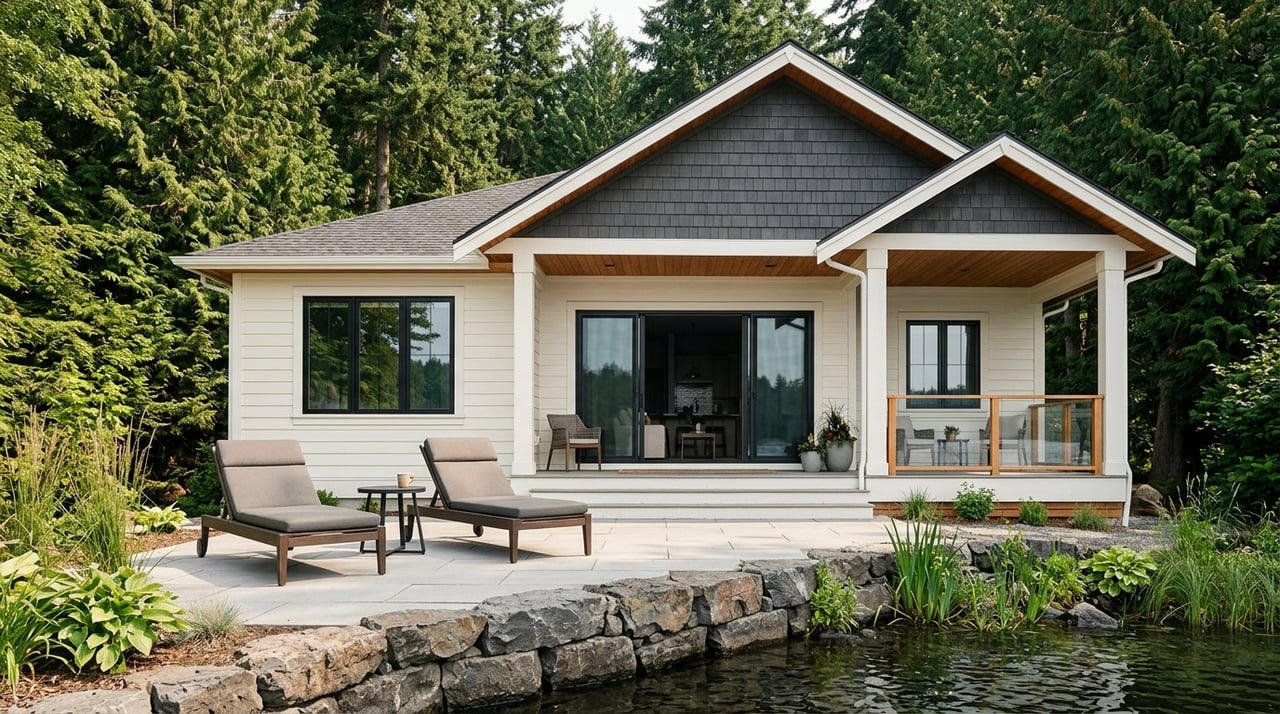
If you are selling a lakefront home at Flowing Lake, you are not just selling square footage. You are selling shoreline, views, recreation, and a lifestyle that feels tucked away while still connected to Snohomish County. That also means buyers will look closely at permits, waterfront features, and timing. In this guide, you will learn the key steps to prepare, price, and market your Flowing Lake property with confidence. Let’s dive in.
Understand the Flowing Lake market
Flowing Lake is a 130.60-acre lake in Snohomish County, about six miles north of Monroe. According to the Washington Department of Fish and Wildlife, it is close enough to Everett and I-5 to be convenient, while still feeling like a getaway. The lake also supports an active recreational setting, with motorized watercraft and water-skiing allowed.
That setting helps explain why a home here can attract strong attention. In March 2026, NWMLS reported just 2.04 months of inventory in Snohomish County, which is well below a balanced market. For ZIP code 98290, the same report notes a $935,000 median sale price, about 2 offers per home, and roughly 45 days on market.
For you as a seller, that points to a niche market with premium potential, but also one where buyers expect the details to be handled well. A lakefront property can stand out quickly, yet uncertainty around docks, shoreline work, or access can slow momentum just as fast.
Treat shoreline details seriously
One of the most important steps is understanding that a Flowing Lake property may involve shoreline regulation. Snohomish County notes that most lakes over 20 acres are considered Shorelines of the State, and Flowing Lake is far larger than that threshold. The county also explains that shoreline applications are submitted to the county first and then forwarded to the Department of Ecology, which can affect timelines, as outlined in its dock and shoreline guidance.
This matters because buyers often ask what has been changed, what was approved, and what they may be allowed to do in the future. If you have completed shoreline, dock, or near-water improvements, gather the paperwork early. That includes permits, approvals, contractor invoices, plans, and any records tied to repairs or replacements.
If you are unsure what applies to your property, Snohomish County recommends reviewing its shoreline requirements and, for project questions, considering a pre-application conference. Even if you are not planning work before listing, having clarity helps reduce buyer hesitation.
Organize dock and waterfront records
At Flowing Lake, the dock is often part of the story buyers care about most. In unincorporated Snohomish County, however, dock work can be tightly regulated. The county states that new dock construction generally needs a permit, structural dock repairs can require a building permit, and some projects may also trigger flood hazard permits, WDFW Hydraulic Project Approval, or Army Corps review through JARPA, according to the county’s dock assistance bulletin.
Before your home goes live, create a simple property file that includes:
- Dock permit history
- Records of repairs, replacements, or structural work
- Shoreline improvement documentation
- Contractor receipts or warranties
- Any correspondence tied to county or state approvals
This kind of preparation helps you answer buyer questions quickly and clearly. It also signals that the property has been cared for thoughtfully, which can build trust during negotiations.
Focus on shoreline presentation
For a lakefront sale, curb appeal extends all the way to the water. Snohomish County’s LakeWise program describes a healthy shoreline as one with shrubs, trees, or perennials rather than lawn running directly to the water’s edge. The county notes these plantings can help stabilize the shoreline, filter phosphorus, support habitat, and improve visual appeal.
For sellers, the goal is not to make the shoreline look wild or neglected. The goal is to make it look intentional, clean, and easy to understand. Buyers tend to respond well when the waterfront feels maintained, access points are clear, and the view is framed rather than blocked.
If erosion or shoreline wear is visible, avoid rushing into a last-minute hardscape project without guidance. The Washington Department of Ecology encourages soft shoreline stabilization where possible, and quick fixes may not be the best pre-listing move. In many cases, smart presentation and good documentation are more valuable than an improvised repair.
Stage the outdoor lifestyle
With a Flowing Lake home, the outdoor experience is often the headline feature. Buyers want to picture how the property lives day to day, not just how it looks in a data sheet. That means your preparation should highlight the spaces that connect the home to the water.
Prioritize areas such as:
- The shoreline edge and water access
- Dock or launch area
- Deck, patio, or outdoor seating spaces
- Lawn-to-water transitions
- Wide-angle lake views
This approach fits the character of Flowing Lake itself. Snohomish County notes that Flowing Lake Park includes a swimming beach, fishing dock, campground, cabins, picnic areas, and other amenities, while WDFW notes a second public access point on the southeast side. Because buyers know the lake is active and recreational, your marketing should show how your property offers its own private lake experience within that broader setting.
Time your launch for demand and visuals
Timing matters with any sale, but it matters even more on the water. In March 2026, NWMLS reported that Snohomish County buyer activity was rising, with showings up 19% month over month and keybox accesses up 24.5% month over month. That makes spring an attractive time to bring a well-prepared listing to market.
For Flowing Lake specifically, seasonal presentation also works in your favor. WDFW notes that rainbow trout fishing is generally best in spring, bass fishing improves as waters warm, and yellow perch fishing is best in summer on its Flowing Lake page. In practical terms, that means greener shorelines, better light, and stronger lifestyle imagery as the weather improves.
If possible, aim to list when:
- The shoreline looks maintained and green
- Outdoor seating areas are ready to use
- The water photographs well
- The dock and access areas look clean and safe
- Buyers are already active in the spring market
Match your marketing to the property
Lakefront homes benefit from strong storytelling and polished media. This is where professional presentation can make a meaningful difference. Compass offers Compass Concierge, which can front the cost of improvements like staging, flooring, and painting with payment due at closing, along with a three-phase strategy that can include Private Exclusive, Coming Soon, and public launch.
Those options can be useful, but strategy should match your goal. Compass also notes in its seller marketing guidance that off-MLS phases can reduce the number of buyers who see a property, which may reduce showings and offers. If your priority is maximum exposure, a broader public launch may be the better fit.
For a Flowing Lake seller, the strongest marketing often includes:
- Professional staging that keeps interiors calm and bright
- High-quality photography timed for ideal light
- Video that shows the home-to-water connection
- Clear pricing backed by local data
- A launch plan built around your privacy and exposure goals
Because you are selling a lifestyle property, every image should help a buyer picture the full experience. The right presentation can turn a unique home from “interesting” into memorable.
Prepare for buyer questions early
Waterfront buyers usually ask more questions than traditional suburban buyers, and that is normal. Washington law requires sellers of improved residential property to provide a completed seller disclosure statement, often called Form 17, no later than five business days after mutual acceptance, unless waived or exempt, under RCW 64.06.020.
Even though the formal disclosure timeline comes later, it helps to prepare before listing. When buyers are considering a lakefront home, they often want fast, direct answers. Being ready can keep the transaction moving and reduce stress on both sides.
Expect questions such as:
- Is the dock permitted?
- Are there records for repairs or replacements?
- Is the property within shoreline jurisdiction?
- Were shoreline changes approved correctly?
- How does nearby public access affect privacy and use?
- What future waterfront work may require permits?
If you can answer these with documents and context, you make the property easier to evaluate. That can lead to stronger confidence, smoother negotiations, and fewer surprises once you are under contract.
Build a smart selling plan
Selling a lakefront home at Flowing Lake takes more than putting a sign in the yard. You need a plan that respects waterfront regulations, highlights the lifestyle buyers want, and uses timing and marketing to your advantage. When the shoreline is well presented, the paperwork is organized, and the launch is intentional, your home is positioned to compete well in a tight market.
If you are thinking about selling, the best first step is a strategy conversation focused on your property’s waterfront features, documentation, timing, and presentation. When you want local insight paired with polished marketing and careful execution, connect with Crystal Dickerson to discuss your next move.
FAQs
What makes selling a Flowing Lake home different from selling a typical home?
- A Flowing Lake home often involves shoreline features, dock documentation, waterfront presentation, and buyer questions about permits, access, and future use.
What should sellers gather before listing a lakefront home at Flowing Lake?
- You should gather dock permits, shoreline improvement records, contractor receipts, repair history, and any county or state approvals tied to waterfront work.
When is the best time to list a Flowing Lake home for sale?
- Spring can be a strong window because Snohomish County buyer activity tends to rise, and lakefront properties usually show best when the shoreline is green and outdoor spaces are ready.
Do dock repairs at a Flowing Lake property require permits?
- They can. Snohomish County states that new dock construction generally needs a permit, and structural repairs may also require building or other regulatory approvals.
What questions do buyers ask about Flowing Lake waterfront properties?
- Buyers commonly ask about dock permits, shoreline approvals, the effect of public lake access, and what future changes or repairs may require permits.
How can marketing help a Flowing Lake seller stand out?
- Strong staging, professional photography, video, and a thoughtful launch strategy can showcase the home’s views, waterfront access, and lifestyle appeal more effectively.