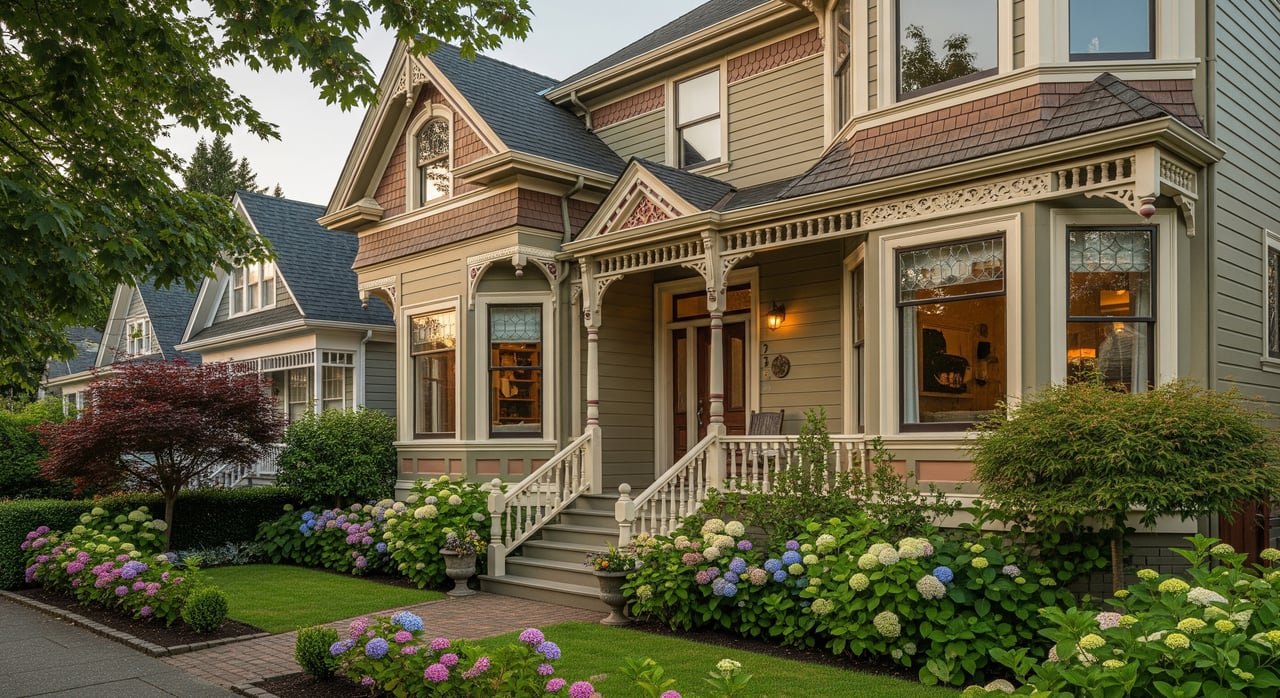
What if the features that make your Snohomish home special could also be the key to a premium sale? If you own a Victorian, Craftsman, or early bungalow near Historic Downtown, you already know the power of original woodwork, roomy porches, and mature trees. Selling it well means protecting that character while proving the home is safe, efficient, and easy to live in. In this guide, you’ll learn how to prioritize repairs, showcase historic details, and market your home to the right buyers for standout results. Let’s dive in.
Why buyers love historic Snohomish
Snohomish’s character homes offer craftsmanship, walkability to the antique district and shops, and a sense of place you cannot build today. Many buyers will accept light updates if structure and systems are solid. If you present the home as well-cared-for and move-in ready, you can often command a premium over newer but less distinctive options.
Know your designation and permits
Before you plan updates, confirm whether your home is within a designated historic district or has landmark status. In designated areas, exterior changes like additions or significant alterations may require local Historic Preservation Commission review and a Certificate of Appropriateness. Even without formal designation, some overlays or design reviews can affect changes. Gather permit records for past work, since documented, permitted improvements boost buyer confidence and support appraisals.
Disclosures and safety essentials
If your home was built before 1978, federal law requires you to disclose known lead-based paint information and provide the EPA pamphlet about lead safety to buyers. Washington state also requires disclosure of known material facts, structural issues, and environmental hazards. Older homes can face higher insurance premiums or exclusions, so verify your current coverage and keep documentation ready for buyers and appraisers.
Plan smart pre-listing inspections
Pre-listing inspections let you fix deal-killers early and support pricing with facts.
- General home inspection: structure, roof, and moisture issues.
- Pest/termite inspection: identify wood-destroying organisms and rot.
- Chimney and fireplace inspection: check masonry and flues.
- Electrical and HVAC checks: verify safety and reliability.
- Plumbing and sewer scope: assess drains and the sewer lateral.
- Optional tests: radon, lead risk assessment, and asbestos screening if renovations are planned.
Provide copies to interested buyers. Clear, professional reports reduce uncertainty and help you negotiate from strength.
Fix first: high-impact repairs
Focus on items that influence safety, appraisals, and buyer trust. Address these before cosmetic work:
- Roof and gutters: repair leaks and ensure proper drainage.
- Foundation and moisture: correct grading, drainage, and any active water intrusion (engineer’s letter if needed).
- Electrical safety: replace hazardous knob-and-tube or overloaded panels when necessary.
- HVAC reliability: service systems and keep maintenance records.
- Pest and wood rot: repair damage and provide clearance letters if treated.
- Permit compliance: resolve or clearly disclose any unpermitted work.
Buyers will pay more for a historic home that does not require immediate systems overhauls.
Preserve charm with smart updates
Prioritize improvements that honor original materials while easing daily living.
Paint and surfaces
Use fresh, neutral interior paint that highlights original trim. Touch up exterior paint and porch details to maximize curb appeal. Aim for period-appropriate tones where possible without locking buyers into a specific style.
Kitchen and bath refreshes
Instead of gut renovations, focus on updated surfaces and appliances while preserving built-ins or millwork. Refinish original woodwork and choose classic hardware that suits the era.
Floors and windows
Refinish original wood floors rather than replacing them. Repair historic windows (sash cords, weatherstripping) and consider discreet storm windows for comfort and efficiency.
Energy and comfort
Add attic and pipe insulation and consider a high-efficiency water heater. Present these as comfort upgrades that do not compromise historic character.
Documentation
Collect maintenance logs, service contracts, warranties, and permits. A well-organized home history packet reassures buyers and supports valuation.
Presentation that sells
Historic homes shine when you tell their story and show how they live today.
Staging that balances old and new
Stage to highlight craftsmanship: moldings, mantels, built-ins, and window seats. Use a mix of period-appropriate pieces and modern comforts so the home feels warm and livable, not like a museum. Stage key rooms first: living room, dining room, kitchen, and primary bedroom.
Photography and media
Hire a photographer experienced with historic homes. Ask for wide shots plus detail images of stained glass, millwork, or tile. Include twilight exteriors, a 3D tour or floor plan, and high-resolution images for print. Share a feature sheet so the photographer captures what matters most.
Listing narrative and marketing
Emphasize provenance and craftsmanship (year built, notable restorations), proximity to Historic Downtown, and everyday convenience to the Seattle–Bellevue–Everett corridor. Call out preserved features and recent systems work. Provide a digital or printed home history packet for serious buyers. Pair MLS exposure with targeted digital ads and lifestyle-forward social content to reach the right audience.
Pricing and negotiation for unique homes
Use nearby sales from the same historic area to set expectations. Adjust for condition and updates rather than comparing to distant modern builds. For standout properties, a pre-listing appraisal can help you price with confidence. Strong inspections and documentation reduce post-inspection credits and keep negotiations focused on value, not uncertainty.
A practical pre-list checklist
Use this step-by-step list to stay organized:
Administrative
- Confirm historic designation status with the City of Snohomish.
- Gather permits and contractor invoices for past work.
- Compile insurance documentation and coverage notes.
Inspections
- Order general, pest, chimney, HVAC/electrical, and plumbing/sewer inspections.
- Consider an energy audit or radon test if useful in your market.
Repairs and preservation
- Complete safety and systems repairs first (roof, foundation, electrical, plumbing, HVAC).
- Repair or stabilize porches, trim, and stair details.
- Repaint interiors in neutral tones and touch up exterior where needed.
Presentation
- Hire a stager experienced with historic homes.
- Book a real estate photographer for detail shots, twilight images, and a floor plan or virtual tour.
- Create a home history packet with photos, permits, and maintenance logs.
Marketing and listing
- Draft listing copy that highlights provenance, preserved features, and neighborhood advantages.
- Prepare premium print materials for open houses and broker tours.
- Plan targeted advertising for buyer segments who value historic character.
Closing readiness
- Organize documentation for renovations and warranties.
- Confirm clearances and any required inspections that affect closing timelines.
Work with a team that understands historic homes
You want a premium result without risking the details that make your home special. With boutique staging, professional media, and data-informed strategy, you can present your property at its best and reach qualified buyers who appreciate it. If you’re considering strategic updates, ask about programs that help front the cost of market-ready improvements so you can sell first and settle up at closing.
Ready to position your historic Snohomish home for a standout sale? Connect with Crystal Dickerson for white-glove presentation, Compass-backed marketing, and a pricing plan grounded in local data.
FAQs
Does historic designation prevent me from selling?
- No. Designation can add review steps for exterior changes, but it does not stop a sale. Confirm rules with local historic preservation staff.
Do I have to remove lead paint before selling a historic home?
- Federal law requires disclosure and the EPA lead safety pamphlet for pre-1978 homes. Full remediation is not always required, but any work must follow EPA RRP rules.
Which updates deliver the best return in a historic home sale?
- Safety and systems first (roof, foundation, electrical, HVAC), then cosmetic refreshes, kitchen/bath updates that preserve character, and professional staging.
Should I replace original windows for energy efficiency?
- Often no. Repair and add storm windows to improve comfort while preserving original sash and glass. Consult preservation specialists for options.
How do I price a unique historic home in Snohomish?
- Use nearby comps from similar eras and conditions, document restorations, and consider a pre-list appraisal to support pricing and negotiation.