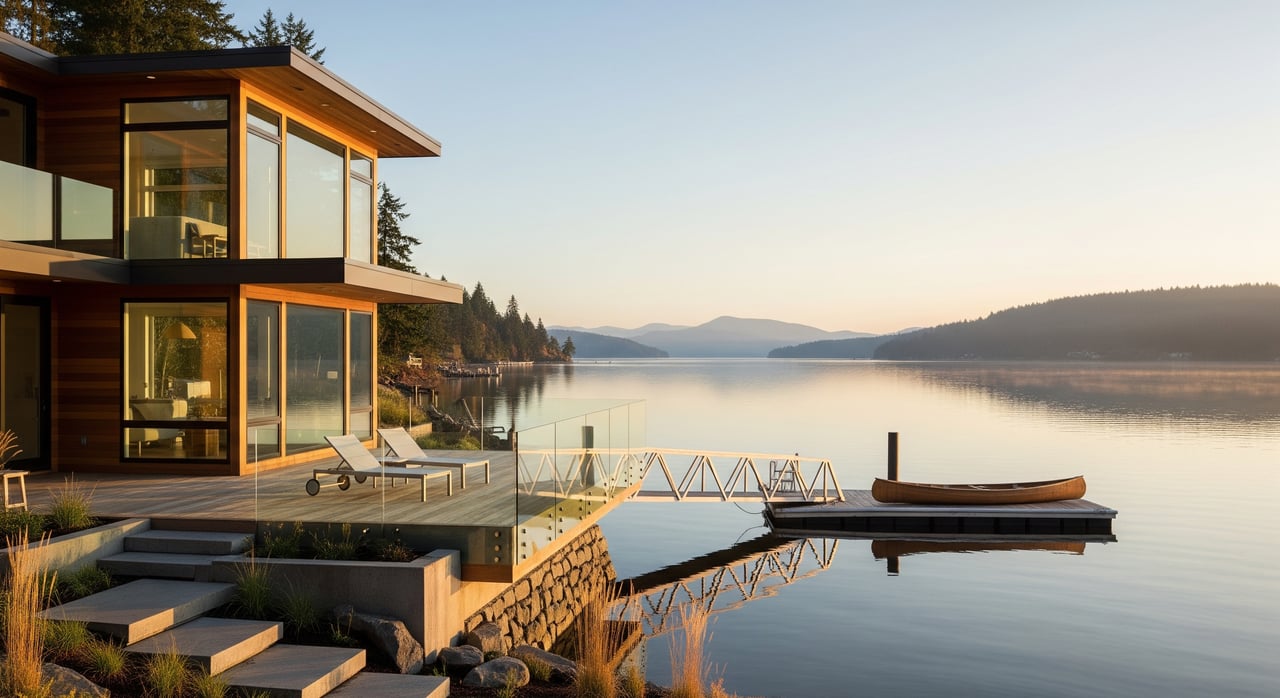
Picture this: morning light on calm water, a short walk to a lakeside path, and a quick stop for coffee before your day begins. If you are curious about living near Lake Stevens, you are not alone. Many buyers want the lake lifestyle without paying full waterfront prices. This guide shows you what daily life looks like near the water, where people tend to live, and the practical details you should weigh before you move. Let’s dive in.
The lake and local setting
Lake Stevens sits in Snohomish County within the Seattle–Bellevue–Everett metro, wrapped around a natural lake that shapes daily life and weekend plans. The population sits in the low tens of thousands, and the city has grown as the Puget Sound region expanded north. For background context, you can explore the U.S. Census Bureau for city data.
The climate follows the Puget Sound pattern. Winters are cool and wet, summers are mild and relatively dry. Summer is the main season on the water. Spring and fall feel quieter, and winter activity shifts inland.
Living here puts you close to Everett, Seattle, and Bellevue, with day-trip access to the Cascades and Puget Sound beaches. The lake itself is the centerpiece, but the region around you is full of parks, trails, and small-town conveniences.
Where people live near the lake
“Near the lake” can mean a 5 to 20 minute walk or a quick 2 to 8 minute drive to a public park, boat launch, or the downtown waterfront. Your exact experience depends on neighborhood style and distance from the shoreline.
Housing styles and options
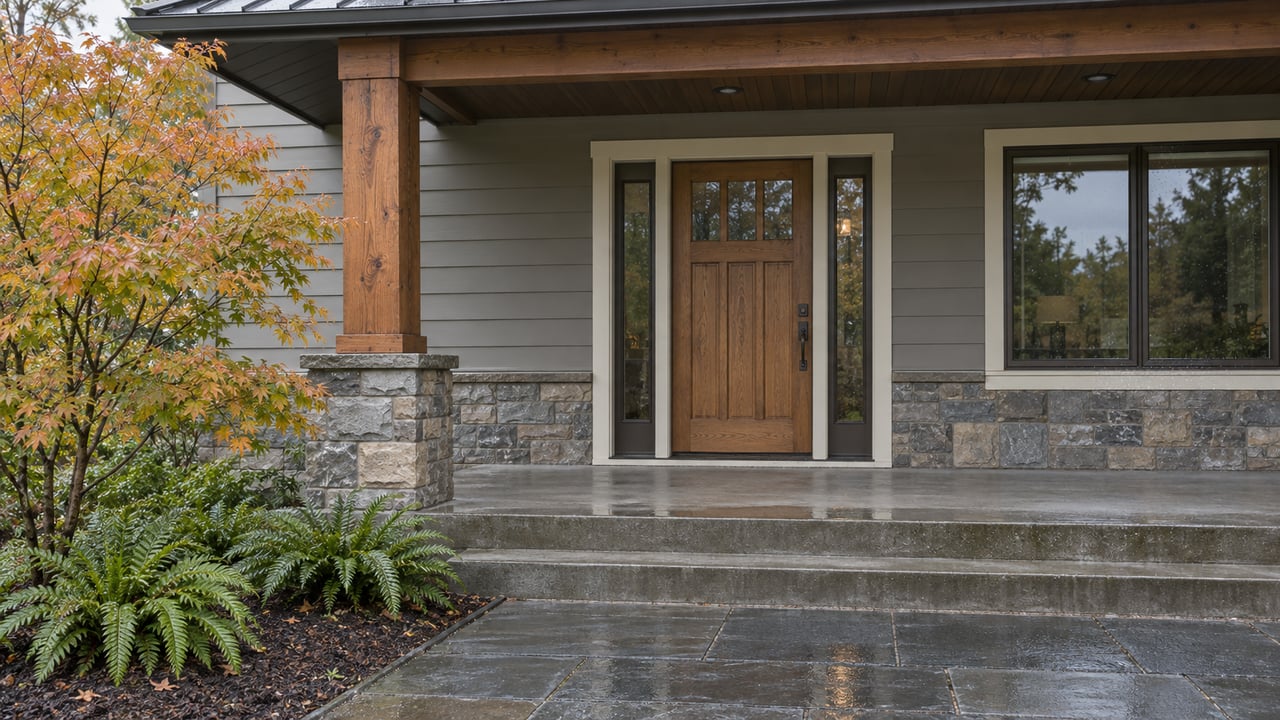
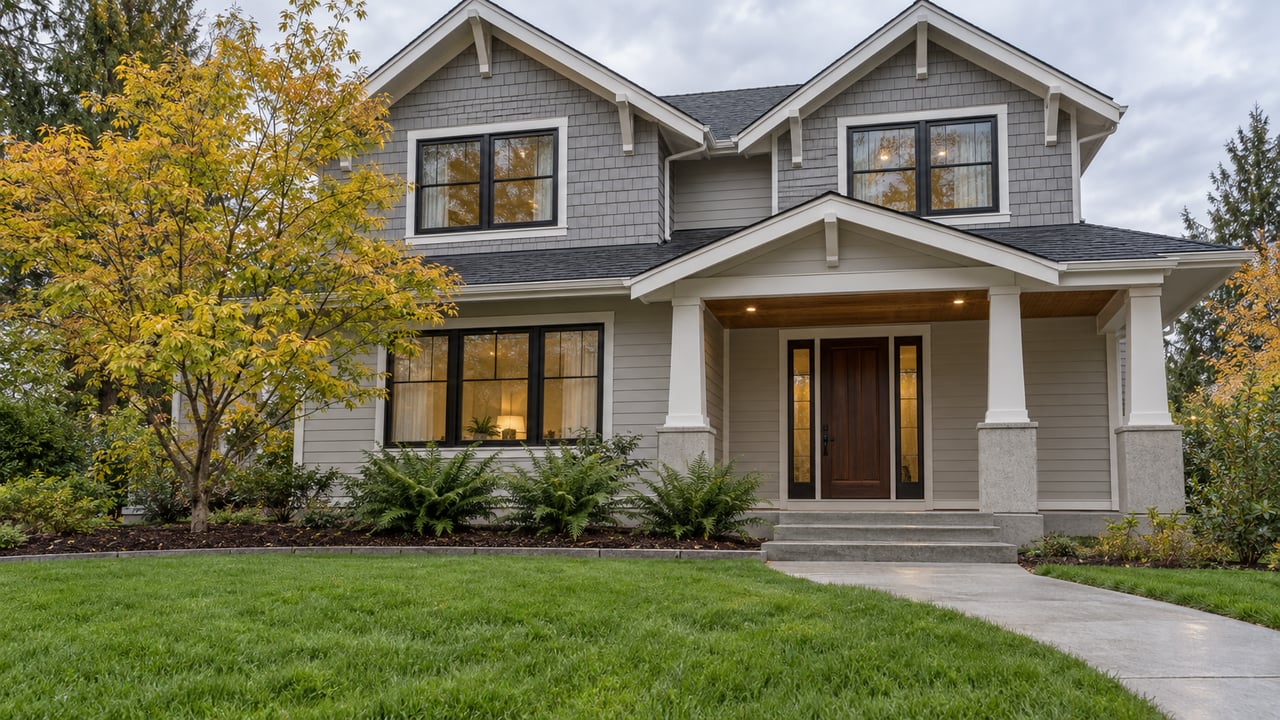
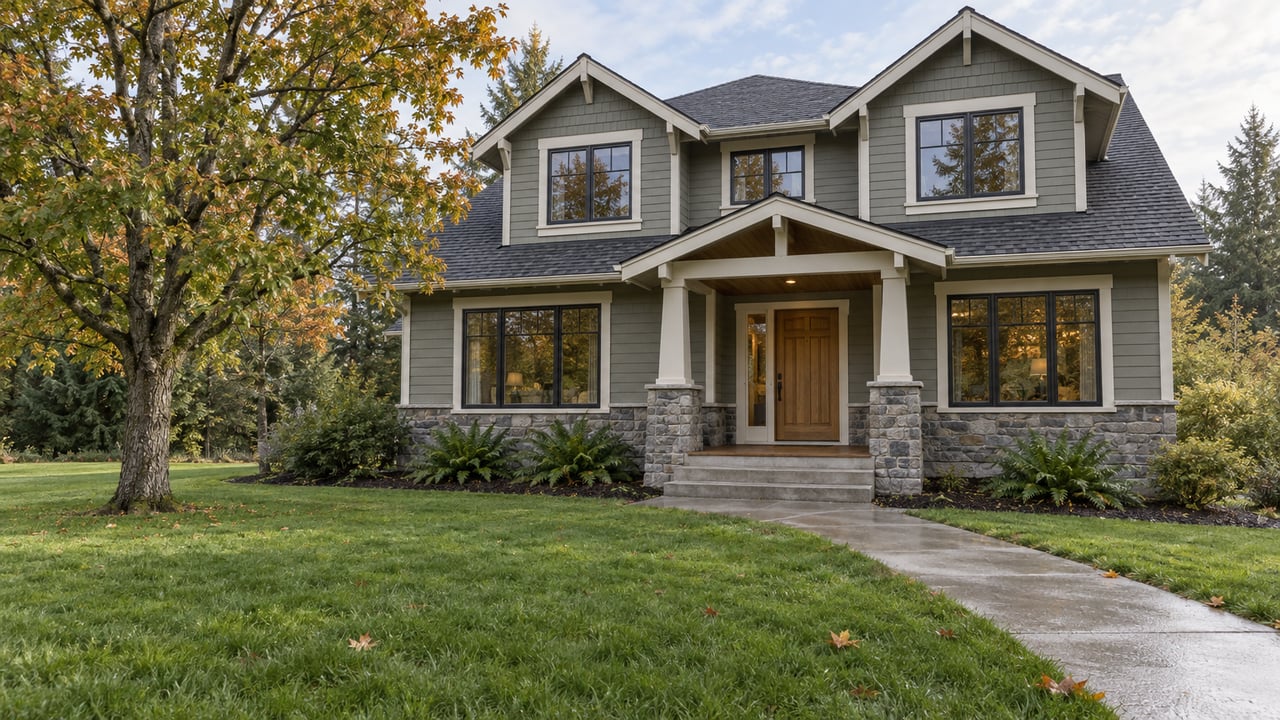
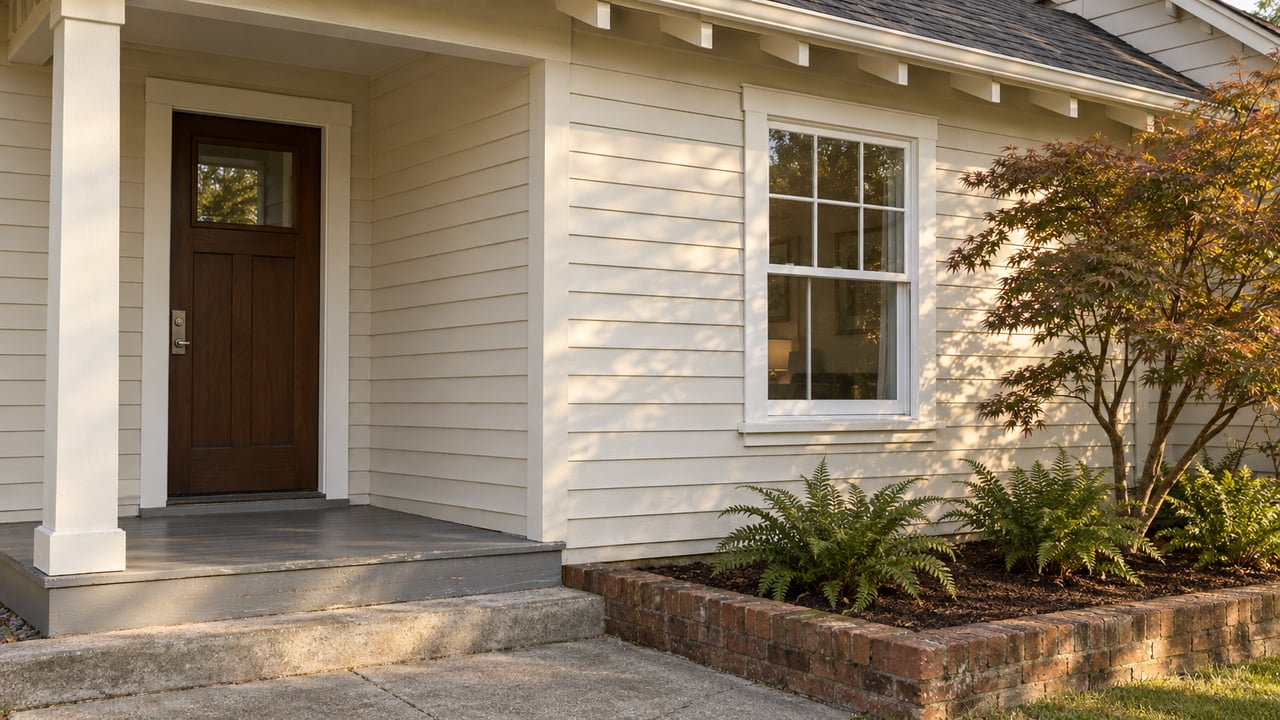
You will find a mix of mid-century homes and newer subdivisions, along with growing townhome and small multifamily options near the downtown corridor. True lakefront is limited and commands a premium. Many buyers choose homes a few blocks off the shoreline, trading private docks for easy access to public parks, marinas, and the waterfront area.
City efforts to revitalize downtown and the waterfront have encouraged infill and new housing close to the lake. To see current plans and parks information, check the City of Lake Stevens.
Walkability and proximity
Walkability varies block by block. The downtown waterfront around the community core is the most walkable zone, with restaurants, parks, and marina access clustered together. Suburban neighborhoods farther out tend to be car-first, though many newer areas include sidewalks and short paths to nearby parks.
If everyday lake time is a priority, map out actual walking times from a few listings you like. A short walk can feel very different from a short drive once summer traffic and parking enter the picture.
Neighborhood vibes
- Waterfront and downtown: Higher walkability with direct access to marinas, lakeside parks, and seasonal cafes.
- Near-lake residential: Primarily single-family streets with quick pedestrian or street connections to the shoreline.
- Peripheral suburban: Newer developments with a quieter feel, green space, and community parks, but more car dependent.
Daily life on and around the water
Living near Lake Stevens means your calendar shifts with the seasons, and your free time often starts with a question: on the water or by the water?
Boating and access
Expect a mix of motorboats, fishing boats, kayaks, and paddleboards. Public launches and marinas make it easy to enjoy the lake without owning a dock. For current launch details, hours, and rules, use the parks and recreation resources from the City of Lake Stevens. Rentals and lessons for paddle sports are often available in season. Check with local marinas or recreation businesses as summer approaches.
Always follow state boating safety rules and local speed restrictions near swim areas. Seasonal advisories can affect open-water use, so review guidance from the Washington State Department of Ecology before you head out.
Parks, trails, and gathering spots
Public shoreline parks, picnic areas, and short waterfront walks dot the lake. In the warm months, the downtown waterfront becomes a community hub with seasonal vendors and dining options close to the water. For current park maps and event schedules, start with the City of Lake Stevens.
Seasons on the lake
- Summer, June through September: Peak energy, busiest boat launches, and the most activity at the parks. Holiday weekends fill up fast.
- Spring and fall: Quieter shoreline, great for paddling and fishing, and shorter lines at waterfront dining.
- Winter: Calm water scenes and indoor community life while you wait for the first warm day.
Practical considerations before you move
Beyond the scenery, you will want to understand the commute, schools, costs, and the rules that shape lake living.
Commute and transit
Most residents commute by car to Everett, I‑5, or across the region. Community Transit operates local and regional routes, with park-and-ride options that connect to major hubs. To explore bus routes and commuter tools, visit Community Transit. For a regional view of travel and planning data, the Puget Sound Regional Council offers useful context.
Plan to test your commute at typical rush-hour times. Many buyers choose near-lake neighborhoods that balance water access with a route that feels realistic day to day.
Schools and family life
Lake Stevens is served by the Lake Stevens School District, which includes multiple elementary and middle schools, plus Lake Stevens High School. Programs and school locations can change, so review current details on the district’s website and visit campuses to understand pickup patterns and after-school logistics.
Youth sports, community centers, and lake-focused programs add to the area’s family life. You will see youth soccer, baseball, and seasonal water activities on many calendars.
Costs and market context
Compared with central Seattle or Bellevue, Lake Stevens is generally more affordable. Waterfront homes and properties with private docks carry a premium. Market conditions change, so review current pricing with your agent and align your search radius with your budget and lifestyle goals.
Property taxes follow Snohomish County patterns. If you plan to store boats or build lake-related structures, factor in maintenance and any added insurance.
Shoreline rules and permits
If you are considering docks, piers, or shoreline changes, permits are common. Start with shoreline guidance and permitting information from Snohomish County, and review environmental rules through the Washington State Department of Ecology. Some projects can trigger additional state approvals. Always confirm that any existing structures are permitted.
Everyday logistics
- Weekend crowding: Summer weekends bring full parking lots at popular parks and launches. Plan early arrivals or weekday outings.
- Noise levels: You will notice more activity near primary launch sites and speed zones. Homes set back from the water are typically quieter.
- Shopping and services: Daily needs are close by in Lake Stevens. For specialized shopping and major medical centers, residents often head into Everett or other Puget Sound cities.
Tips for choosing your near-lake spot
Use these quick steps to pressure-test a few favorite neighborhoods:
- Map real walking times from your door to a shoreline park or walkway.
- Visit on a sunny Saturday in July and a rainy Tuesday in November to gauge noise and traffic.
- Drive your commute at peak hours in both directions.
- Check for current algae or water-quality advisories through the Washington State Department of Ecology and county updates via Snohomish County.
- Review HOA rules for boat storage, parking, and exterior guidelines.
- Confirm permits for any existing or planned dock or shoreline work with the city and county.
- Look up the city’s event calendar via the City of Lake Stevens to see how the waterfront activates in summer.
Ready to explore near-lake living?
If you want the feel of lake life without the full waterfront premium, near-lake neighborhoods in Lake Stevens can deliver an easy daily rhythm and weekend fun. Whether you are buying or preparing to sell and move closer to the water, you deserve meticulous guidance, clear pricing strategy, and polished presentation. Reach out to Crystal Dickerson to tour neighborhoods, compare commute and access, and design a plan that fits your timing and goals.
FAQs
How close is walkable to Lake Stevens for most homes?
- Walkability varies by block, but many near-lake homes sit within a 5 to 20 minute walk or a short 2 to 8 minute drive to parks, launches, or the downtown waterfront.
Do I need a boat to enjoy Lake Stevens?
- No. Public parks, beaches, and marinas offer access, and seasonal rentals or lessons for paddle sports are often available. Check the City of Lake Stevens for current options.
When is Lake Stevens busiest for recreation?
- Summer, especially June through September, with peak crowding on holiday weekends. Spring and fall are calmer, and winter is quiet on the water.
Where can I find transit and commute info from Lake Stevens?
- For bus routes and park-and-ride details, visit Community Transit. For regional commute context, see the Puget Sound Regional Council.
What should I check before swimming or boating in summer?
- Review current algae or water-quality advisories published by the Washington State Department of Ecology and county updates from Snohomish County.
What permits are needed for docks or shoreline work?
- Shoreline structures often require city, county, and state approvals. Start with Snohomish County for shoreline permitting and the Washington State Department of Ecology for environmental rules, then confirm any project specifics with local officials.