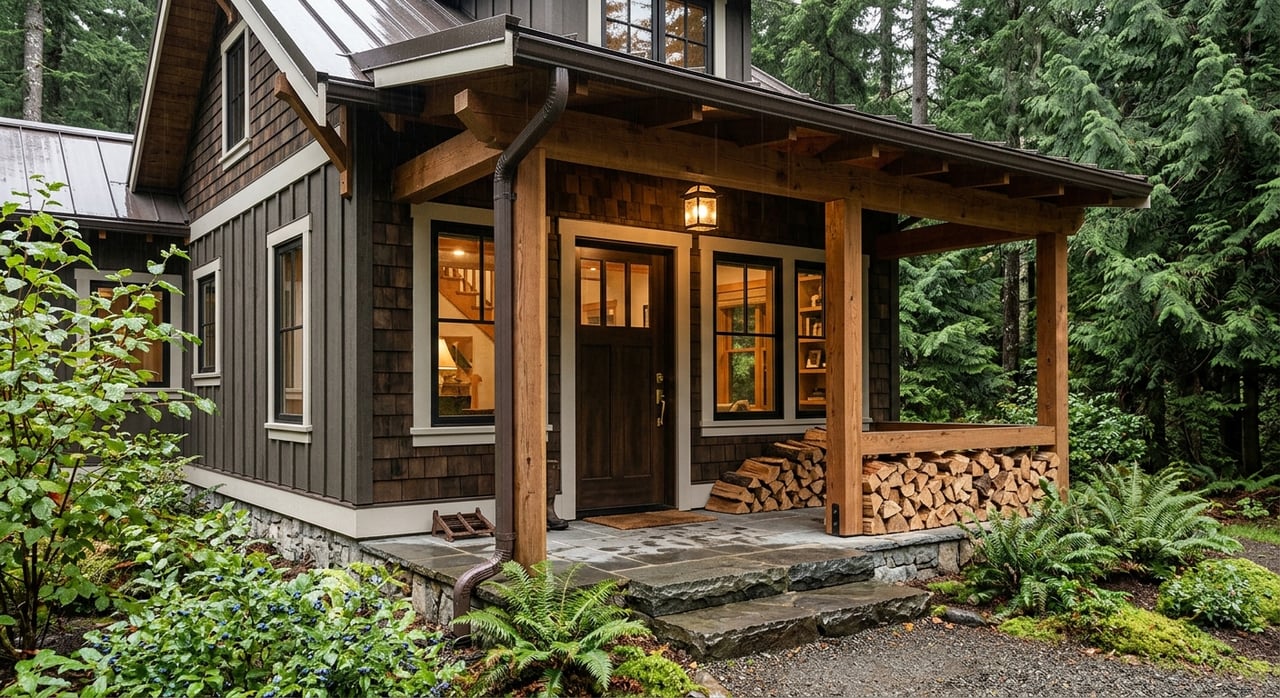
Dreaming about making your Lake Roesiger cabin a full-time home? It is an exciting idea, but lake properties often come with a different checklist than a typical suburban house. If you want a home that feels comfortable in every season and holds up well over time, the smartest path is to plan upgrades in the right order. Let’s dive in.
Why Lake Roesiger needs a different approach
Lake Roesiger sits about 7 miles east of Lake Stevens near the Cascade foothills and is one of the larger natural lakes in Snohomish County. The area is known for recreation, including boating, fishing, water skiing, a county park, and a Washington Department of Fish and Wildlife boat launch. That setting is part of the appeal, but it also means year-round living decisions need to account for moisture, site conditions, and local permit rules.
In Western Washington, the challenge usually is not severe cold. It is the combination of wet weather, cloudy winters, heat loss, and dependable property access. For many cabins, that means comfort starts with the structure and site systems, not cosmetic finishes.
Start with feasibility first
Before you choose countertops or paint colors, make sure the property can support full-time living from a legal and practical standpoint. This step can save you time, money, and frustration later. It also helps you understand whether your project is a light upgrade or a much bigger remodel.
Confirm legal access
In Snohomish County, building permits require legal access before they are issued. If your property fronts a county right-of-way, you need a driveway or access permit. If the property uses a private road, the county wants the easement documented.
For older cabin parcels, this can be a major early checkpoint. A solid remodel plan can still stall if access is not clearly established.
Check water and septic early
For rural properties, Snohomish County requires an approved well and on-site septic system for construction of a residence or any building with plumbing. The county also will not issue a building permit until it shows that residential connections have an adequate and potable water supply. The health department reviews septic and water approvals before construction permits move forward.
This is one of the biggest reasons to begin with due diligence. If your cabin has an older well or septic setup, you will want to understand its current status before you commit to a larger conversion plan.
Understand septic limits
Septic sizing in Snohomish County is driven mainly by the number of bedrooms, not just how many people live in the home. That matters if you plan to add a bedroom, expand the footprint, or turn a flex room into sleeping space. What seems like a simple layout change can trigger a septic review or redesign.
Focus on four-season comfort
Once the property clears the legal and utility checkpoints, the next priority is livability. A cabin that works for summer weekends may feel very different during a damp January stretch. The goal is to make the home feel stable, dry, and efficient all year.
Upgrade the building shell
For many Lake Roesiger cabins, the best first improvements are:
- Air sealing
- Insulation
- Window upgrades
- Roof performance improvements
- Crawlspace or foundation moisture control
- Ventilation improvements
In a wet lake setting, these upgrades often matter more than adding square footage. They can help reduce drafts, improve indoor comfort, and support better energy performance.
Plan with Washington energy code in mind
The Washington State Energy Code applies to alterations, additions, and changes of occupancy in existing residential buildings. In general, unaltered portions of the home do not have to be brought fully up to current code, but the parts you change do. New heating and cooling systems, hot water systems, and other new systems added during the project must also comply.
That means insulation, windows, ductwork, and hot-water equipment should be part of your early planning. They are not details to sort out later.
Take heating seriously
A cabin that feels charming in July can feel hard to live in during winter if the heating system is undersized, outdated, or inefficient. If you are considering a furnace replacement, heat pump, or other system updates, remember these are typically permitted improvements. In Washington, most electrical work requires a permit and inspection, and Snohomish County classifies residential mechanical and plumbing permits for alterations and remodels in single-family homes and duplexes.
In plain terms, heating, wiring, and plumbing upgrades should be treated as professional project planning items, not casual weekend fixes.
Watch for shoreline and site rules
Lake properties can have another layer of review that inland homes may not face. If your cabin sits adjacent to the lake, shoreline regulations may apply. Snohomish County notes that properties near lakes, major streams, marine waters, wetlands, or flood plains may be subject to county and state shoreline rules.
The county recommends a pre-application conference because shoreline permits can be complex. The shoreline application is reviewed by the county first and then forwarded to the Department of Ecology before related development permits can be issued.
Know when land work needs permits
If your project includes clearing, grading, filling, excavation, or compaction, Snohomish County treats that as land-disturbing activity that may require a separate permit. This can come into play for:
- Driveway work
- Drainage improvements
- Foundation adjustments
- Retaining walls
- Site stabilization
This is especially important for older cabins where the site may need work to support safe, long-term use.
Think in layers, not just finishes
One of the smartest ways to approach a cabin conversion is to work in layers. Start with legal access, water, septic, and permit feasibility. Then move to insulation, moisture control, ventilation, and mechanical systems. After that, focus on cosmetic updates and exterior appearance.
That order matches how Snohomish County reviews key approvals and helps you avoid putting money into finishes before you solve the basics. It is also the most realistic way to turn a seasonal property into a true home.
What matters most for resale
If you may sell in the future, the most valuable upgrades are often the least flashy. Buyers tend to feel more confident when a home has clear documentation and systems that support everyday living in every season. That can be especially important at Lake Roesiger, where buyers may range from seasonal users to full-time lifestyle buyers.
The features buyers will look at closely
A thoughtfully converted cabin is usually easier to market than one that only looks updated on the surface. Buyers are often paying attention to:
- Documented permits
- Approved water and septic systems
- Legal access
- Reliable heating and utility systems
- Strong insulation and moisture control
- A home that feels comfortable year-round
These details reduce uncertainty, and uncertainty is often what slows down interest in unique properties.
Keep water and septic records current
For homes with private wells, the Washington Department of Ecology says well owners should test water every year for coliform bacteria and nitrate. It also notes that many counties or lenders require sampling results when a home with a private well is sold.
Septic documentation is also becoming more important. The Snohomish County Health Department announced a new septic inspection rule that takes effect November 1, 2026, with inspections allowed up to one year before closing. If resale is part of your long-term plan, keeping records organized can make the process smoother.
A practical Lake Roesiger conversion checklist
If you are thinking about turning a cabin into a full-time home, here is a practical order to follow:
- Verify legal access.
- Confirm water and septic status.
- Review whether shoreline rules apply.
- Identify any land-disturbing work that may need permits.
- Evaluate insulation, air sealing, windows, roof, and crawlspace conditions.
- Plan heating, electrical, plumbing, and hot-water upgrades as permitted work.
- Tackle cosmetic improvements after the core systems are addressed.
- Keep records for permits, inspections, and utility systems for future resale.
A cabin conversion can absolutely be worth it, but the best outcomes usually come from thoughtful planning rather than rushing into finishes first.
If you are weighing whether a Lake Roesiger cabin is ready for full-time living, or preparing to sell a property with year-round potential, local guidance matters. Crystal Dickerson brings a polished, detail-focused approach to Snohomish County real estate and can help you understand how preparation, presentation, and local property factors shape your next move.
FAQs
What makes a Lake Roesiger cabin different from a typical home remodel?
- Lake Roesiger cabins often need added attention to moisture control, insulation, heating, site access, water, septic, and possible shoreline regulations before cosmetic upgrades.
Does a Lake Roesiger cabin need legal access before remodeling?
- Yes. Snohomish County requires legal access before issuing building permits, whether that means a county access permit or documented private-road easement.
Do water and septic systems matter when converting a cabin to year-round use?
- Yes. Snohomish County requires approved water and septic systems for residential construction or buildings with plumbing, and septic capacity can be affected by bedroom count.
Are permits required for heating and electrical upgrades in Snohomish County?
- Yes. Most electrical work in Washington requires a permit and inspection, and mechanical or plumbing changes in residential remodels are also classified as permitted work in Snohomish County.
Can shoreline rules affect a Lake Roesiger cabin project?
- Yes. Properties next to a lake may be subject to shoreline regulations, and Snohomish County recommends a pre-application conference because shoreline permits can be complex.
What upgrades help resale most for a Lake Roesiger home?
- Buyers are often most reassured by documented permits, approved water and septic systems, legal access, dependable heating, and a home that feels comfortable in every season.