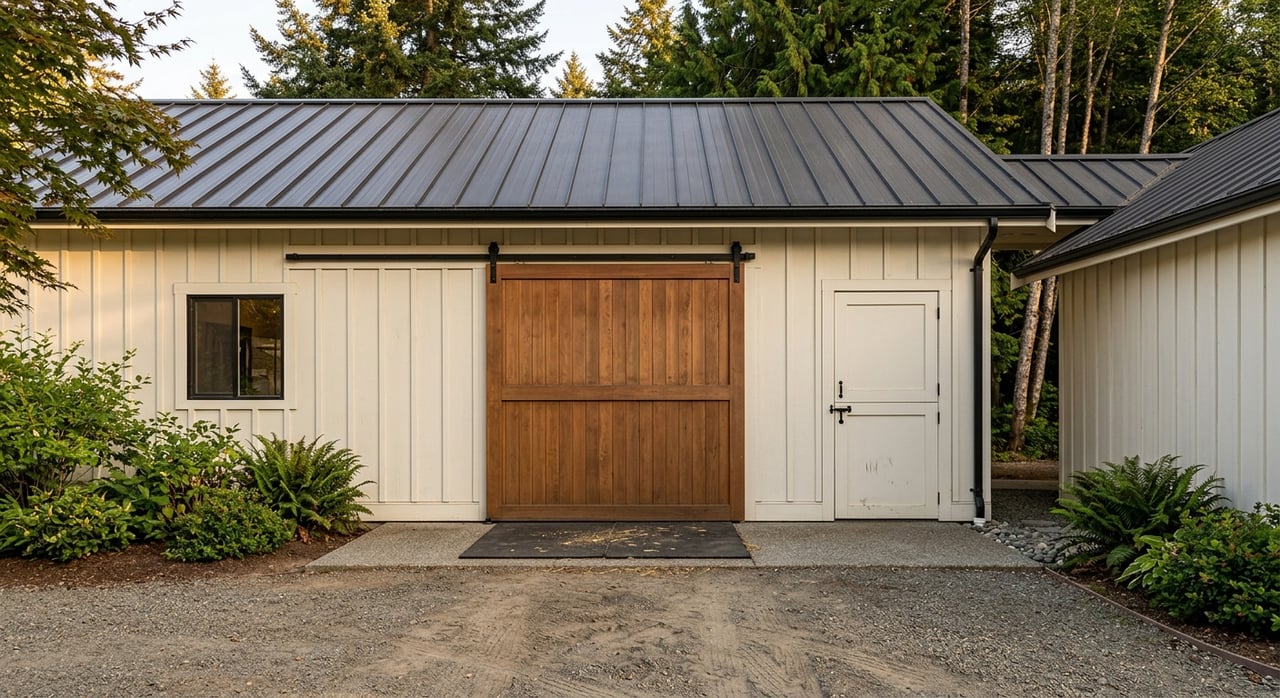
If you are dreaming about more space, room for horses, and a property that feels connected to the land, Snohomish likely has your attention for a reason. Acreage living here can be beautiful and rewarding, but it also comes with more moving parts than a typical residential purchase. This guide will help you understand what makes equestrian and acreage properties in Snohomish unique, what to verify before you buy or sell, and where careful planning matters most. Let’s dive in.
Why Snohomish Appeals to Acreage Buyers
Snohomish County offers a landscape that feels distinctly Pacific Northwest, with river-bottom farmland, rolling hills, forested areas, and open rural pockets. The county says 18% of its land area is rural and 5% is agricultural, which helps explain why acreage living remains such a meaningful part of the local housing market.
For horse owners and buyers seeking usable land, Snohomish offers more than extra square footage. It offers a setting where barns, shops, pasture, and rural infrastructure are already part of the local landscape and land-use framework. That said, the western part of the county averages about 35 inches of precipitation each year, so land condition and drainage deserve close attention from the start.
Acreage Living Means More Than a Big Lot
One of the biggest misconceptions about rural property is that acreage automatically gives you flexibility. In reality, what you can do with a parcel depends on zoning, legal lot status, building rules, and site-specific conditions.
Snohomish County notes that zoning controls minimum lot area, lot width, setbacks, building height, and allowed uses through its Bulk Matrix and Use Matrix. If a parcel is inside city limits, county zoning maps may not show the zoning, so you need to verify rules with the city that has jurisdiction.
That is why acreage and equestrian shopping in Snohomish is often a parcel-by-parcel process. Two properties with similar size and similar appearance may have very different development options.
Equestrian Uses Are Recognized Locally
For buyers interested in horse property, there is good news in the county code. Snohomish County zoning references rural designations such as R-5 and RRT-10, and the county use matrix lists stables as a permitted use in rural zones.
The county also defines a stable as a structure where horses are kept for boarding, breeding, personal use, or training. Its farm-product definition includes recreational equine use, which shows that equestrian activity is not treated as an unusual exception. It is part of the county’s established rural land-use language.
That local recognition matters when you are evaluating acreage for personal horse use or when you are marketing a horse-friendly property to future buyers. It helps frame the property within a use pattern the county already understands.
Start With Legal Lot and Zoning Verification
Before you plan a barn expansion, a home addition, or a future lot split, confirm the property’s legal status. Snohomish County says lot status is often required to determine whether a parcel was created legally, especially if it did not come through a formal subdivision or short plat.
The county also states that lot status must be verified before or at the time of a building permit application. In other words, a property that looks ready for your vision may still require documentation and review before that vision can move forward.
A smart early checklist includes:
- Confirming zoning with the correct jurisdiction
- Verifying legal lot status
- Reviewing setbacks and allowed uses
- Checking whether the parcel is inside or outside a UGA
- Asking whether any planned improvements may require a permit or pre-application review
Barns, Shops, and Outbuildings Need Planning
Many acreage buyers picture more than a house. They want a barn, a larger garage, equipment storage, a shop, or flexible outbuildings that support rural living. Snohomish County’s permit system clearly recognizes these needs, listing accessory buildings, ag buildings, barns, garages, and shops among its permit categories.
The county also recognizes stable-related and farm-support uses such as blacksmithing, farriers, farm implement sales and repair, and feed and fertilizer sales. That is another sign that horse-property infrastructure is part of the local rural economy, not a fringe concept.
Still, larger structures come with more review. According to the county’s 2025 checklist, private garages and storage structures over 2,400 square feet require a dedicated site-plan submittal, and structures over 4,000 square feet must be set back at least 20 feet from external property lines.
That same checklist asks applicants to show features such as:
- Utilities
- Ditches and drainage
- Wetlands
- Geologic hazards
- Aquifer recharge areas
- Protected growth areas
For many Snohomish acreage properties, a large barn or shop is not just a construction project. It is a land-planning project too.
Pasture Quality Matters in Snohomish
In a wetter Western Washington environment, pasture management affects both property enjoyment and long-term maintenance. Washington State University Extension notes that healthy pastures help absorb rainfall, filter runoff, and reduce erosion, but they are also vulnerable to compaction during rainy months and to overgrazing.
That means a pretty field in summer may function very differently in late fall or winter. Mud, drainage, footing, and turnout areas can quickly become everyday concerns if the land is not managed well.
Extension guidance recommends rotational grazing and the use of sacrifice areas during wet winter months to protect the rest of the pasture. If you are buying horse property in Snohomish, it is wise to think beyond appearance and ask how the land performs across the seasons.
Water, Wells, and Septic Are Key Due Diligence Items
Rural ownership usually brings a very different utility picture than suburban living. Snohomish County says rural properties need an approved well and on-site septic system for a residence or for any building with plumbing.
The county health department explains that septic systems are intended to protect groundwater and waterways. The county’s well guidance also states that animals and their enclosures, along with manure storage, should be kept at least 100 feet from a well.
For buyers, this makes early due diligence especially important. You will want to understand not only whether a property has a well and septic system, but also where they are located and how they affect future barn, paddock, or arena planning.
A practical review should include:
- Well location
- Water testing status
- Septic condition
- Any abandoned well issues
- Relationship between livestock areas and the well site
Critical Areas Can Shape What Is Possible
One of the most important parts of Snohomish acreage due diligence is understanding critical-area constraints. The county regulates wetlands, habitat conservation areas, frequently flooded areas, geologically hazardous areas, and critical aquifer recharge areas.
These rules apply in unincorporated areas and may require site plans, studies, and mapped buffers. For buyers hoping to add paddocks, arenas, drainage improvements, or new structures, these reviews can directly affect what is feasible.
The county also notes that land-disturbing permits can be triggered by converting 2.5 acres or more of native vegetation to pasture. So if your plan includes reshaping the land instead of simply using what is already there, your timeline and budget may look different than expected.
Resource Lands Add Another Layer
Snohomish County conserves about 63,000 acres of agricultural land as Riverway Commercial Farmland, Upland Commercial Farmland, and Local Commercial Farmland. The county also advises that buyers and sellers in or near designated resource lands may need real estate transfer documents.
Property owners near designated agriculture and forest resource lands may receive notice that resource activities may not be compatible with residential development. For you as a buyer, that means a rural setting may come with both benefits and obligations tied to surrounding land use.
This is one reason acreage in Snohomish feels different from a standard residential search. You are often balancing homeownership goals with a broader framework of land conservation, agricultural policy, and rural use patterns.
What Sellers Should Know About Marketing Acreage
If you are selling an acreage or equestrian property in Snohomish, your marketing strategy needs to do more than showcase square footage. Buyers want to understand how the property lives, how the land functions, and what infrastructure is already in place.
Clear presentation matters. So does accurate information about zoning, outbuildings, pasture layout, access, drainage, well and septic setup, and any known critical-area considerations. A polished listing can generate interest, but informed marketing helps attract the right buyer pool.
For unique rural homes, the strongest campaigns usually combine strong visual storytelling with practical details. That is especially true when a property offers amenities such as a barn, shop, fenced turnout areas, or flexible land use that buyers may not easily compare to a standard in-town home.
A Smart Approach to Buying in Snohomish
Acreage and equestrian properties can be wonderful lifestyle purchases, but they reward careful research. Before you fall in love with the view or the barn, make sure the property supports the way you actually want to live.
A strong buying approach usually means slowing down long enough to verify the basics. Zoning, legal lot status, wells, septic, drainage, pasture condition, critical areas, and permit feasibility all deserve attention early in the process.
When you understand those pieces up front, you can shop with more confidence and avoid expensive surprises later. That kind of clarity is often what turns a beautiful rural property into the right long-term fit.
If you are considering buying or selling acreage or equestrian property in Snohomish, working with a local agent who understands how to position unique properties and navigate the questions that come with rural land can make the process much smoother. To talk through your goals and your next move, connect with Crystal Dickerson.
FAQs
What makes acreage living in Snohomish different from buying a standard residential home?
- Acreage living in Snohomish often requires added due diligence around zoning, legal lot status, wells, septic systems, drainage, pasture condition, and critical-area rules.
Are horse properties allowed in rural Snohomish areas?
- Snohomish County zoning references rural designations such as R-5 and RRT-10, and the county use matrix lists stables as a permitted use in rural zones.
What should buyers check before adding a barn or large shop in Snohomish?
- Buyers should verify zoning, setbacks, permit requirements, lot status, drainage conditions, utilities, and whether wetlands, hazards, or other critical areas affect the proposed building site.
Why does pasture management matter for Snohomish equestrian properties?
- Because Snohomish has a wetter Western Washington environment, pastures can face compaction, mud, runoff, and overgrazing issues, especially during rainy months.
What water and septic questions matter on Snohomish acreage?
- Buyers should confirm the property has an approved well and on-site septic system where required, and review well location, water testing, septic condition, and any spacing concerns related to animals or manure storage.
Can critical areas affect horse-property plans in Snohomish?
- Yes. Wetlands, flooded areas, habitat areas, geologic hazards, and aquifer recharge areas can require buffers, site plans, or studies and may affect where improvements can go.