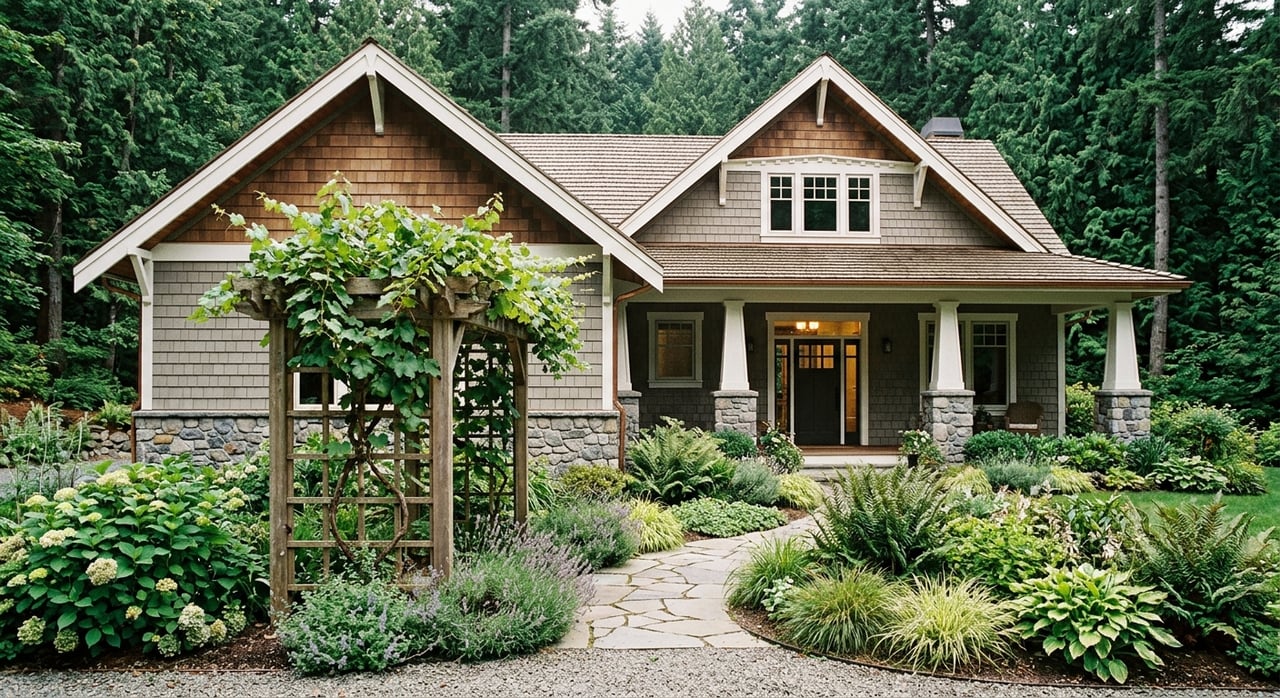
If you are dreaming about acreage near Woodinville Wine Country, you are probably picturing more than a house. You are picturing space, privacy, room for hobbies, and easy access to tasting rooms, dining, and the Sammamish River Valley lifestyle. The appeal is real, but so is the homework. Before you fall in love with a long driveway and a few open acres, it helps to understand what you are really buying. Let’s dive in.
Why acreage near Woodinville stands out
Woodinville Wine Country is a destination with more than 130 wineries spread across four districts: Hollywood, Warehouse, West Valley, and Downtown. The area also includes restaurants, hotels, breweries, and shops, which gives it a lifestyle feel that goes well beyond a typical residential pocket.
That matters when you are shopping for acreage. You are not just looking for land. You are looking for a property that gives you breathing room while keeping you close to the experiences that make this part of King County so appealing.
The City of Woodinville itself is relatively compact, with about 14,060 residents across 5.65 square miles. In practical terms, that means many acreage searches naturally extend beyond the city boundary into surrounding King County areas where larger parcels are more common.
Woodinville acreage is not one market
Acreage near Woodinville is not a single, uniform product. King County assessor materials identify different market areas, including Woodinville, Cottage Lake, Hollywood Hill, Redmond, South Woodinville, and Sammamish Valley, and property value can shift based on lot size, views, waterfront influence, land issues, and surrounding context.
For you as a buyer, that means two properties with similar acreage can function very differently. One may feel turnkey and flexible, while another may come with access challenges, utility limits, or development restrictions that affect how you can use the land.
Start with the parcel, not the house
When buyers look at acreage, the home often gets most of the attention first. In this area, the parcel facts are usually just as important, and sometimes more important, than the finishes inside the house.
King County specifically advises buyers to confirm whether a parcel is inside or outside city limits and to use county property tools to understand basic parcel facts. That includes jurisdiction, zoning, and other property details that can shape what you can do now and later.
Before you move too far forward on a property, make sure you understand:
- Whether the property is within Woodinville city limits or unincorporated King County
- The current zoning classification
- Any development conditions attached to the parcel
- Setbacks and lot constraints
- Whether the property may include wetlands, streams, steep slopes, or other critical areas
- Whether water and sewer are public, private, septic-based, or well-based
Zoning shapes your options
Zoning is one of the biggest decision points for acreage buyers near Woodinville. King County notes that permitted uses depend on the zoning table and any development conditions tied to the property, and different rural, agricultural, forestry, and residential zones each come with their own rules.
This is where expectations need to match reality. A larger parcel does not automatically mean you can add structures, keep certain animals, start a small agricultural use, or run a side business from the property.
If you are considering a specific use, verify it early. Even if the property feels rural, special development conditions and critical-area restrictions can limit what you can build, expand, or change.
ADUs on acreage
Accessory dwelling units are a popular goal for many acreage buyers. King County says most unincorporated properties can support an ADU, but the rules are specific.
Only one ADU is allowed per primary detached dwelling or townhouse unit, owner occupancy is required, and detached ADUs depend on zone-specific lot-size thresholds. County examples range from 1.875 acres in RA-2.5 to 35 acres in A-35.
If an ADU is part of your long-term plan, do not assume the parcel qualifies just because it looks spacious. Confirm the zoning and lot-size threshold before you build your budget or offer strategy around it.
Home-based work and side businesses
If you need a work-from-home setup or are thinking about a small side business, county rules matter here too. King County allows limited home occupations in rural and residential zones when the property is your primary residence.
At the same time, some higher-impact uses are not allowed as home occupations. County examples include auto repair, towing, dry cleaning, and veterinary clinics. If your intended use goes beyond a standard home office, it is worth checking the rules in detail before you commit.
Hobby farm expectations
Acreage often brings visions of garden rows, chickens, or a few animals. Near Woodinville, those uses are not automatic just because the lot is large.
King County states that animal-related regulations and backyard poultry allowances depend on zoning and property size. If small-scale agriculture is part of the dream, it is smart to verify what the parcel actually allows instead of assuming the land can support every rural use.
Utilities can make or break the fit
Utilities are one of the easiest places for acreage buyers to get surprised. A property may appear close to town, but that does not mean public sewer is available or that utility service equals development flexibility.
Woodinville Water District serves water and sewer in parts of the broader area, but it also makes clear that it does not control zoning or development approval. Sewer availability still depends on county or city land-use decisions, so service area alone does not guarantee what you can build or add.
This is why utility review should happen early. For many acreage buyers, the real question is not just whether the home works today, but whether the property supports your future plans.
Septic should be reviewed early
In rural and semi-rural areas around Woodinville, septic is often one of the biggest due-diligence items. King County requires a time-of-sale septic inspection, and the seller must provide the completed report to the buyer before closing.
After closing, the new owner becomes responsible for maintenance and any needed repairs. King County also notes that conventional gravity systems are inspected every three years, while all other system types are inspected every six months.
It is also wise to pull septic records early. King County maintains online septic records that may include as-built drawings, site designs, and historic inspection reports. That information can help you confirm what was approved and installed before you invest more heavily in inspections or planning.
Septic and future additions
If you are thinking about remodeling, adding bedrooms, or creating an ADU later, the septic system matters even more. King County states that septic systems are designed around bedroom count and potential occupancy.
That means a bedroom addition, major expansion, or ADU can trigger septic review or even a system upgrade. On acreage, future flexibility is a major part of value, so this is not a detail to leave until after closing.
Private wells need their own review
A private well should be reviewed separately from septic. In Washington, private well owners are responsible for testing their own water.
The Washington Department of Health recommends annual testing for coliform bacteria and nitrate. It also notes that when buying or selling a home with a private well, county or lender requirements may call for water-sampling results.
For buyers, this means well due diligence should be treated as its own workstream. A property can be beautiful and still require a careful look at water quality, testing history, and ongoing maintenance responsibility.
Critical areas can limit development
Larger or wooded parcels often come with natural features that add beauty and privacy. They can also bring restrictions.
King County says development near wetlands, streams, lakes, steep slopes, floodplains, or other critical areas may require additional information as part of a permit application. Buyers can request a Critical Area Designation or use county maps to better understand what may be present on a parcel.
This step matters even if the existing home already works for you. If you may want to expand, add outbuildings, adjust driveways, or clear land later, critical-area constraints can have a big effect on what is feasible.
Land work may need permits sooner than expected
Many acreage buyers picture simple improvements after closing, like grading a pad, adding parking, clearing brush, or extending outdoor living space. In King County, that work can trigger permits faster than many people expect.
County guidance says grading permits are needed for work within critical areas, excavations deeper than five feet or greater than 100 cubic yards, fills deeper than three feet or greater than 100 cubic yards, or more than 2,000 square feet of new impervious surface. Some tree clearing can also require a clearing permit.
That does not mean improvements are impossible. It means your timeline, budget, and property plans should be based on actual permitting requirements rather than rough assumptions.
Access and commute still matter
Even if you are buying acreage for privacy, daily logistics still matter. Woodinville maintains more than 50 miles of streets, and the city’s transportation planning focuses on roads, sidewalks, biking, transit, and connectivity.
For acreage properties, road access and driveway layout can be just as important as square footage. A home set back from the road may feel private and peaceful, but access conditions can affect convenience, maintenance, and the day-to-day living experience.
Regional travel is centered around SR 522 and I-405. WSDOT describes SR 522 as an increasingly important east-west route connecting communities between Woodinville and Monroe, and there are active transportation projects in the area, including widening work on SR 522 and the I-405/Brickyard to SR 527 project in Bothell.
For you, this means commute reliability and construction timing should be part of the conversation. You do not need perfect drive-time predictions to make a good decision, but you do want a realistic sense of how the location functions in everyday life.
A smart acreage buying checklist
If you are serious about buying acreage near Woodinville Wine Country, focus on the property as both a home and a land-use decision. A careful review up front can save you time, money, and frustration later.
Here is a practical checklist to keep in mind:
- Confirm whether the parcel is inside city limits or in unincorporated King County
- Verify zoning and any parcel-specific development conditions
- Review utility service, including public water, sewer, septic, or private well status
- Pull septic records and review the time-of-sale inspection
- Ask whether future plans, such as an ADU or bedroom addition, would affect septic capacity
- Check for wetlands, steep slopes, floodplains, streams, or other critical areas
- Review access, driveway layout, and daily travel routes
- Evaluate whether your intended uses, such as home occupation or hobby farming, are allowed under current rules
- Ask whether planned grading, clearing, or site work would require permits
Why local guidance matters on acreage
Buying acreage near Woodinville can be incredibly rewarding. You get a rare mix of lifestyle access, rural-scale space, and the chance to own something that feels distinct from a standard suburban home.
It also comes with more moving parts than a typical in-town purchase. The right guidance can help you sort through zoning, utilities, access, and land-use questions early, so you can make a confident decision that fits both your lifestyle and your long-term goals.
If you are exploring acreage near Woodinville Wine Country and want a responsive, detail-focused partner to help you evaluate the options, connect with Crystal Dickerson.
FAQs
What makes acreage near Woodinville Wine Country appealing?
- Acreage near Woodinville offers a mix of privacy, open space, and access to a destination known for 130-plus wineries, restaurants, breweries, shops, and the Sammamish River Valley setting.
Why should buyers verify zoning on Woodinville-area acreage?
- Zoning determines what uses may be allowed on the property, including ADUs, certain home occupations, agricultural uses, and future development, and parcel-specific conditions may further limit those options.
Do Woodinville-area acreage properties always have public sewer?
- No. Some properties may have public utilities, while others rely on septic systems or private wells, and utility service in the area does not automatically guarantee buildability or sewer access for future plans.
What should buyers know about septic systems near Woodinville?
- King County requires a time-of-sale septic inspection, sellers must provide that report before closing, and buyers should also review septic records early because future additions or ADUs may trigger septic review or upgrades.
Are private wells common on acreage near Woodinville?
- Some acreage properties may have private wells, and Washington guidance says well owners are responsible for testing, with annual testing for coliform bacteria and nitrate recommended.
Can critical areas affect acreage use near Woodinville?
- Yes. Wetlands, streams, lakes, steep slopes, floodplains, and other critical areas can affect permitting and may limit where you can build, clear, grade, or expand on the property.