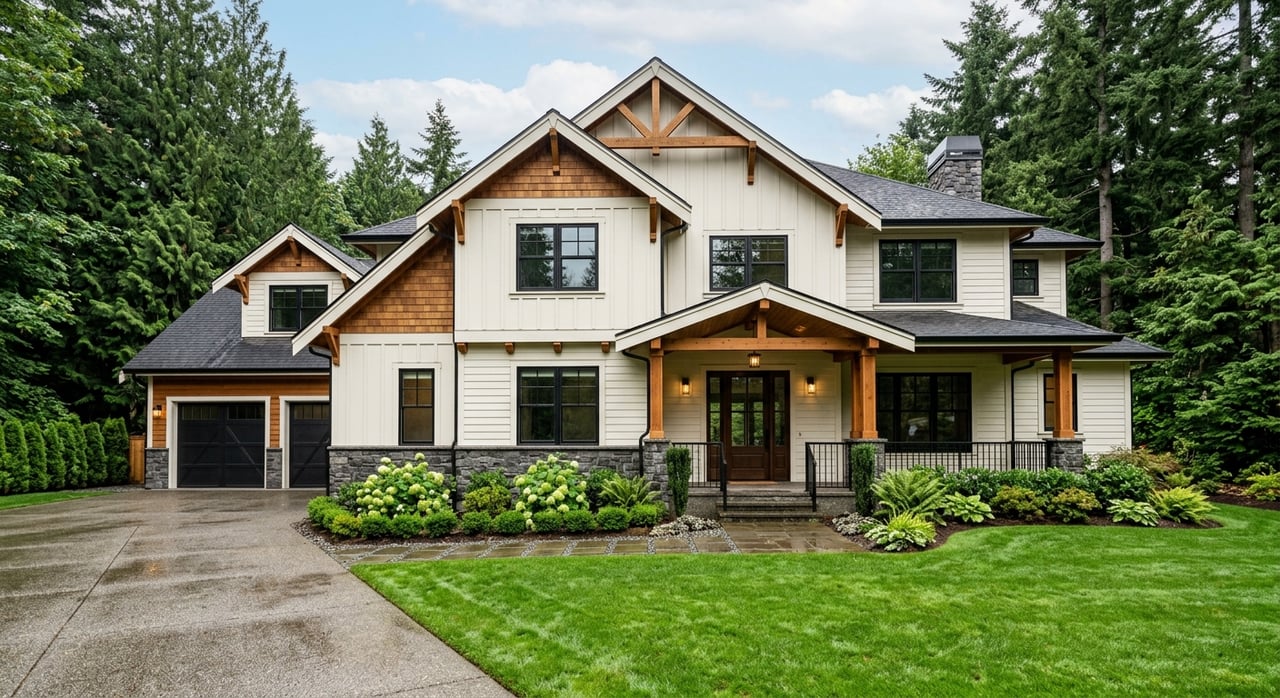
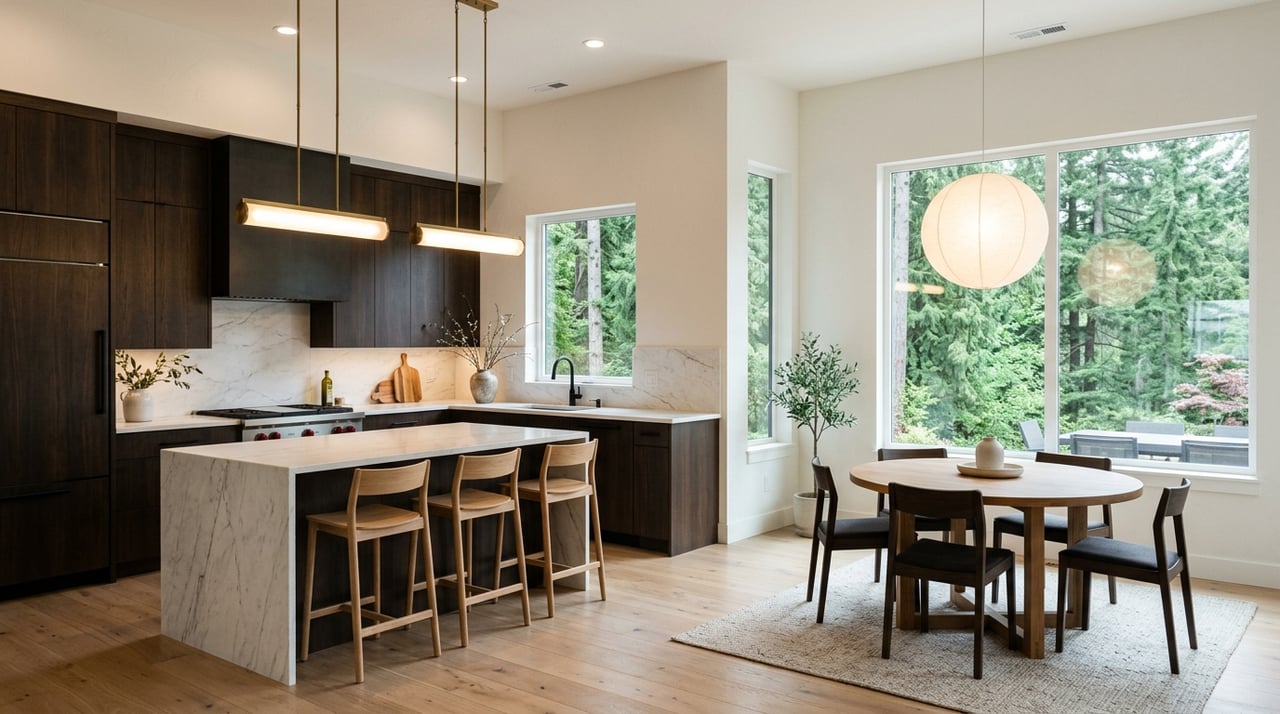
Dreaming about a second home at Flowing Lake is easy. The hard part is making sure the property fits the way you actually want to use it. If you are thinking about a weekend retreat, a summer gathering spot, or a hybrid property with occasional rental potential, a little planning up front can save you time, money, and stress later. Let’s dive in.
Why Flowing Lake Appeals to Second-Home Buyers
Flowing Lake offers a lifestyle that feels recreational from the start. The lake sits about five miles northeast of the City of Snohomish and is the middle lake in the Three Lakes chain. At 132.5 acres with two public boat-launch access points, it is set up for active lake use rather than just shoreline views.
Snohomish County describes Flowing Lake as a popular summer destination for fishing, boating, jet skiing, swimming, and camping. The county park at Leckie’s Beach includes campsites, cabins, a swimming beach, a fishing dock, an amphitheater, and picnic areas. For many buyers, that mix of access and amenities is exactly what makes a second home here so appealing.
It is also important to understand the seasonal rhythm. Flowing Lake is one of the few county parks where motorized watercraft and water skiing are allowed, and water skiing is permitted only from May 25 through September 25 during specified daytime and evening hours. That means your experience at the lake may feel lively and social during peak season, especially in summer.
Start With Your Use Plan
Before you compare finishes, views, or dock access, define how you want the home to function. A second home can serve very different goals, and your plan should shape your search from the beginning. The clearest first step is deciding whether you want a pure getaway, a part-time family base, or a hybrid property.
A pure getaway may work well if you want a simpler cabin feel and lower day-to-day demands. A part-time family base may need more sleeping space, better parking, and room for lake gear. A hybrid property may need all of that plus a layout and systems that support guests comfortably.
At Flowing Lake, this choice matters because rural lake properties often involve practical questions that do not show up in standard home searches. Shoreline access, septic capacity, well capacity, storage, parking, and winterization can have a bigger impact on ownership than cosmetic updates. In many cases, the best second home is the one that supports your habits, not just your wishlist.
Think Beyond the View
Lake views can be emotional, and that is part of the draw. Still, second-home buyers should look closely at how the property works in every season. A beautiful setting feels even better when the home is easy to maintain and supports the way you plan to use it.
Ask whether the home feels like a true second residence or more like a seasonal cabin. If you plan to spend extended stretches there, utility setup and storage may matter more than you expect. If you picture quick weekend stays, a lower-maintenance setup may be the better fit.
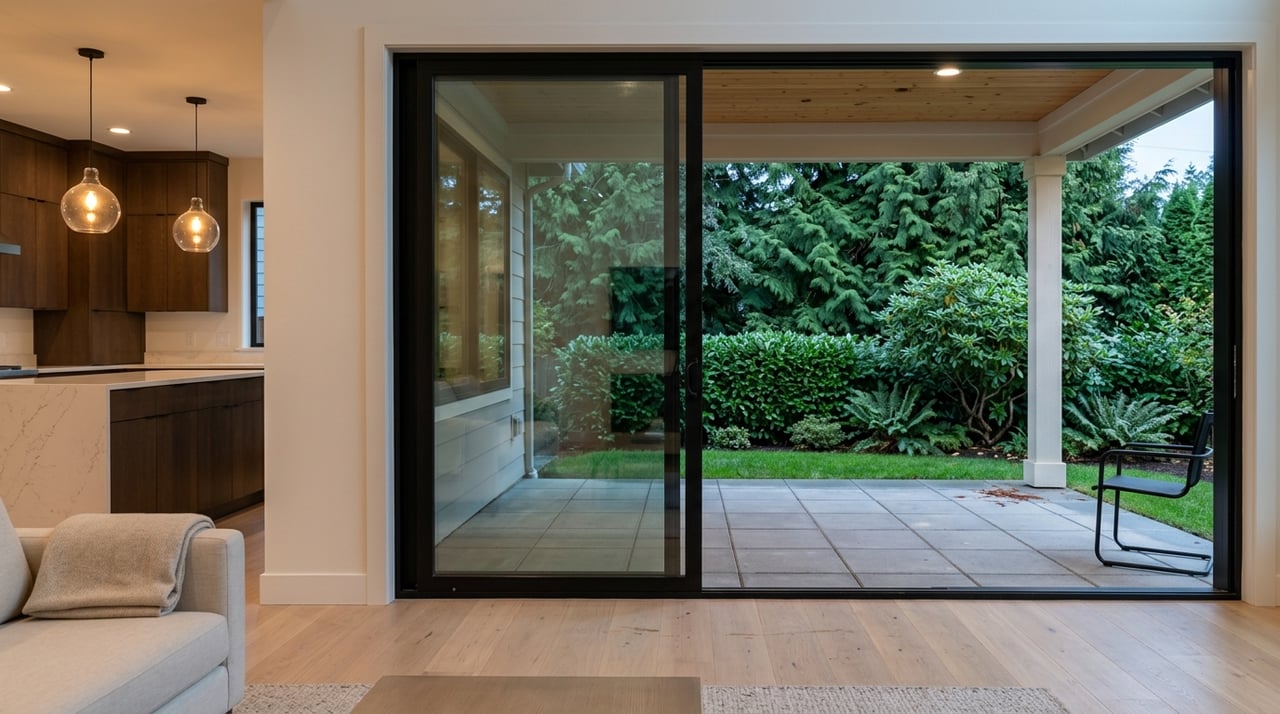
It also helps to think through guest use. If friends or family will visit often, parking, sleeping arrangements, and outdoor gathering space can quickly become high-priority features. At a recreational lake, those practical details can shape your day-to-day enjoyment just as much as the waterfront itself.
Check Shoreline and Flood Rules Early
One of the most important steps in planning a second home at Flowing Lake is early property-level due diligence. Snohomish County says properties adjacent to lakes, nearby floodplains, or other shoreline areas may be subject to additional shoreline regulations. That can affect improvements, additions, and other project plans.
For single-family projects, shoreline review can involve substantial-development approvals, conditional-use approvals, or variance approvals, depending on the situation. If you are thinking ahead to remodeling, expanding, or changing outdoor features, this is worth checking before you close. It is much easier to buy with a clear understanding of the rules than to discover limits after the fact.
Flood-hazard status is a separate issue. Snohomish County requires a flood-hazard permit and an elevation certificate for designated flood-hazard projects. Even if a home looks straightforward, it is smart to confirm map status early so you understand the regulatory picture tied to the parcel.
Confirm Water and Septic Setup
For many second-home buyers, utilities are one of the biggest planning items. Snohomish County says new residences need an approved water source and septic system or sewer availability. In rural properties, that often means an approved well and a county-approved on-site septic system before a residence or plumbing-bearing building can be constructed.
If you are buying an existing home, do not assume every utility question is simple. You will want to confirm whether the property is connected to municipal sewer and water or relies on private systems. That matters for everyday use, future maintenance, and how well the home supports extended stays or guest traffic.
This becomes especially important if your second home plan includes frequent entertaining. Septic capacity, water availability, and system condition can shape how comfortably the property functions over time. These are not flashy details, but they are central to a smooth ownership experience.
Understand the Lake’s Maintenance Rhythm
Second-home ownership at Flowing Lake comes with a seasonal management calendar. Snohomish County posts aquatic herbicide notices to nearby landowners, and herbicide treatments occur between mid-July and September. That may not be a dealbreaker, but it is part of the ownership rhythm you should know in advance.
The county’s 2025 health report says Flowing Lake health is currently good, with low phosphorus and low algae, and toxic algae blooms are rare. That is encouraging for buyers who want a lake property focused on recreation and long-term enjoyment. Even so, the report also notes that only about a third of the shoreline has trees and shrubs rather than lawns, which makes shoreline vegetation an important issue for owners.
County guidance encourages owners to clean, drain, and dry boats, maintain septic systems, and preserve shoreline vegetation. Those steps support both lake health and long-term property care. If you are planning a second home here, it helps to think of stewardship as part of the ownership package.
Plan for Long-Term Stewardship
A second home can be deeply rewarding when it is built around realistic care expectations. At Flowing Lake, shoreline condition and septic maintenance are not just technical issues. They are part of protecting the property and the lake environment over time.
Snohomish County’s LakeWise program offers voluntary guidance for lake owners on shoreline and septic best practices. The program also includes septic care rebates and, in some cases, free native-plant shoreline help. For buyers who want to hold onto a property for years, those resources can support a healthier and more durable ownership plan.
Native plantings, routine septic care, and erosion control may not be the first things you picture when shopping for a lake house. Still, they can play a major role in preserving shoreline function and reducing future headaches. A thoughtful second-home purchase looks beyond the first summer and plans for the long run.
Be Careful With Rental Assumptions
Some buyers consider offsetting costs with occasional rental use. If that is part of your thinking, confirm the property’s jurisdiction before you make any assumptions. The City of Snohomish regulates short-term rentals inside city limits and requires a business license and applicable taxes, and the city states that those rules apply only to properties within city limits.
That means location matters. A property near Snohomish is not automatically subject to city rules, and a property inside city limits is not the same as one outside them. If rental potential matters to your purchase decision, get clarity on jurisdiction and requirements early.
Use also matters from a tax standpoint. The IRS says mortgage interest can qualify on a main home or second home, but if the home is also rented, expenses may need to be split between rental and personal use. For most buyers, that means a hybrid plan should be discussed with a tax professional before you commit.
A Smart Flowing Lake Buying Checklist
When you are planning a second home at Flowing Lake, keep your decision grounded in how the property will actually function. A clear checklist can help you focus on the details that matter most.
- Define your use plan: getaway, part-time family base, or hybrid property
- Confirm shoreline and flood-hazard status early
- Verify sewer, water, well, and septic setup
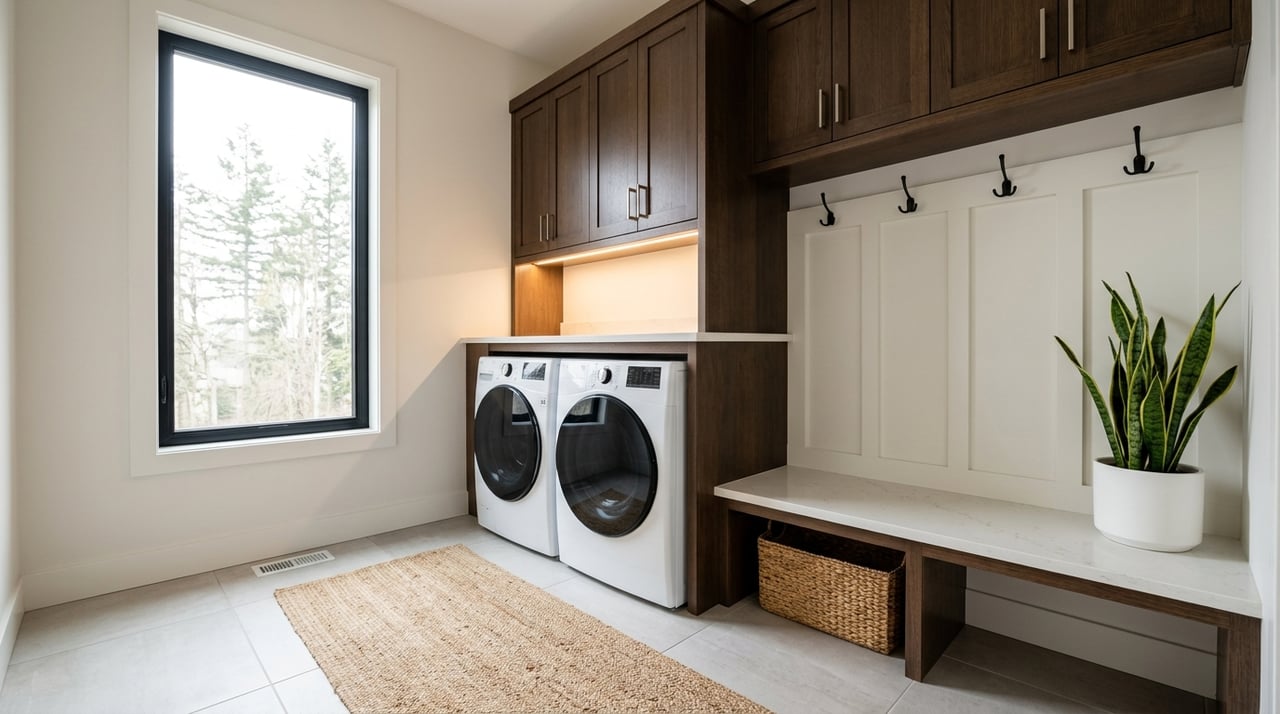
- Evaluate parking, storage, and guest capacity
- Ask about winterization and off-season usability
- Understand seasonal boating and water-skiing patterns
- Review shoreline vegetation and long-term maintenance needs
- Check jurisdiction before assuming short-term rental use will work
Buying With Clarity Matters
A second home at Flowing Lake can be a great fit if you want an active lake setting close to Snohomish County amenities. The strongest purchase is usually the one where your use plan, utility setup, shoreline status, and ownership expectations all line up before closing. When you approach the process with clear priorities and local insight, you put yourself in a much better position to enjoy the property for years to come.
If you are exploring lakefront or second-home opportunities in Snohomish County, Crystal Dickerson can help you evaluate the details that matter and navigate the search with confidence.
FAQs
What should you check before buying a second home at Flowing Lake?
- Start with the property’s intended use, then confirm shoreline regulations, flood-hazard status, water and septic setup, parking, storage, and seasonal maintenance needs.
Is Flowing Lake a quiet lake for a second home?
- Flowing Lake has an active recreational character, especially in summer, with boating, fishing, swimming, jet skiing, and seasonal water skiing allowed during set dates and hours.
Can you use a Flowing Lake second home as a short-term rental?
- You should confirm the parcel’s jurisdiction first, because the City of Snohomish regulates short-term rentals only within city limits and requires a business license and applicable taxes there.
Why does shoreline vegetation matter at Flowing Lake?
- Snohomish County notes that shoreline vegetation is an important ownership issue, and preserving trees, shrubs, and native plantings can support shoreline health and long-term property care.
Do Flowing Lake properties always have city water and sewer?
- No, rural lake properties may depend on private well and septic systems, so you should confirm the specific utility setup for any home you are considering.
What makes Flowing Lake attractive for a second home?
- Buyers are often drawn to its recreational setting, proximity to Snohomish, public lake access, and amenities like boating, swimming, fishing, camping, and park facilities nearby.