If you are buying or selling a home in Lake Stevens, one of the fastest ways to derail a smooth closing is to mix up the appraisal and the inspection. They sound similar, but they serve very different purposes and affect your negotiation in different ways. Knowing the difference helps you protect your budget, your timeline, and your peace of mind.
In this guide, you will learn what each one is, who orders and pays for them, when they happen, what they cost, and how the results can change your deal in Snohomish County. You will also see local tips for lakefront, septic, flood zones, and older homes common around Lake Stevens. Let’s dive in.
Appraisal vs. inspection: the quick difference
- Appraisal: An independent appraiser estimates the home’s market value for your lender. The lender uses it to decide how much they will lend on that property.
- Inspection: A licensed home inspector evaluates the home’s condition for you. The report highlights defects, safety concerns, and maintenance items.
Think of it this way: the appraisal protects the lender’s investment in the property’s value, and the inspection protects your investment in the property’s condition.
Who orders and who pays
- Appraisal: Your lender orders the appraisal after you are under contract. Appraisers must be independent. You usually pay the fee through your loan costs.
- Inspection: You choose and hire the inspector during your inspection contingency. Sellers sometimes do a pre-listing inspection to get ahead of issues.
When they happen and how long they take
- Appraisal timing: Ordered after you have a signed contract and loan application. In many cases it is completed within about 7 to 14 days, but timing depends on appraiser availability and property complexity.
- Inspection timing: Scheduled during your inspection contingency period. In many Puget Sound transactions, buyers allow 5 to 10 business days to inspect and negotiate. A typical on-site inspection takes 2 to 4 hours, and most reports arrive within 24 to 72 hours.
Typical costs to plan for
- Appraisal: About $400 to $900 for a standard single-family home. Unique homes, waterfront, acreage, or complex properties can cost more.
- General home inspection: About $300 to $700, depending on size, age, and scope.
- Specialty inspections: Extra fees for items like sewer scope, septic evaluation, well testing, roof, structural engineer, mold or air quality, radon testing, or pest.
What each report includes and who sees it
- Appraisal report: Formal valuation, comparable sales, adjustments, photos, and condition notes that affect value or safety. It is delivered to the lender, and as the borrower you are entitled to a copy if it is used to make a decision on your loan.
- Inspection report: A written narrative or checklist with photos and recommendations. You receive it directly and choose whether to share it during negotiations.
How inspection findings shape negotiations
Handling minor issues
Many homes have small maintenance items. You may accept them as-is or ask the seller to address a short list before closing. Keep requests focused and reasonable.
Addressing material defects
If the inspector finds a safety hazard, major system failure, roof leak, structural concern, or code issue, you can:
- Request seller repairs before closing.
- Ask for a credit or price reduction to handle repairs yourself after closing.
- Request an escrow holdback if allowed by the lender and agreed by the parties.
- Cancel under your inspection contingency if you cannot reach an agreement.
Market conditions matter
In a seller’s market, sellers often prefer credits or limited repairs. In a buyer’s market, you may see more willingness to complete repairs or offer larger concessions. Your strategy should match current local conditions.
What an appraisal can change in your deal
If the appraisal meets or exceeds price
Your loan generally moves forward. Sometimes the appraiser flags condition items that must be fixed for the loan to fund, especially for safety or habitability.
If the appraisal is low
If the value comes in below the contract price, you have options:
- Bring in extra cash to cover the gap.
- Ask the seller to reduce the price.
- Split the difference with the seller.
- Request a reconsideration of value by providing better comparable sales or pointing out errors.
- Cancel under your appraisal or financing contingency if permitted.
When condition affects value
If the appraiser sees significant deferred maintenance that impacts marketability or safety, the lender may require repairs before funding. This can overlap with inspection findings and may affect your closing timeline.
Lake Stevens and Snohomish County factors to watch
Waterfront and shoreline homes
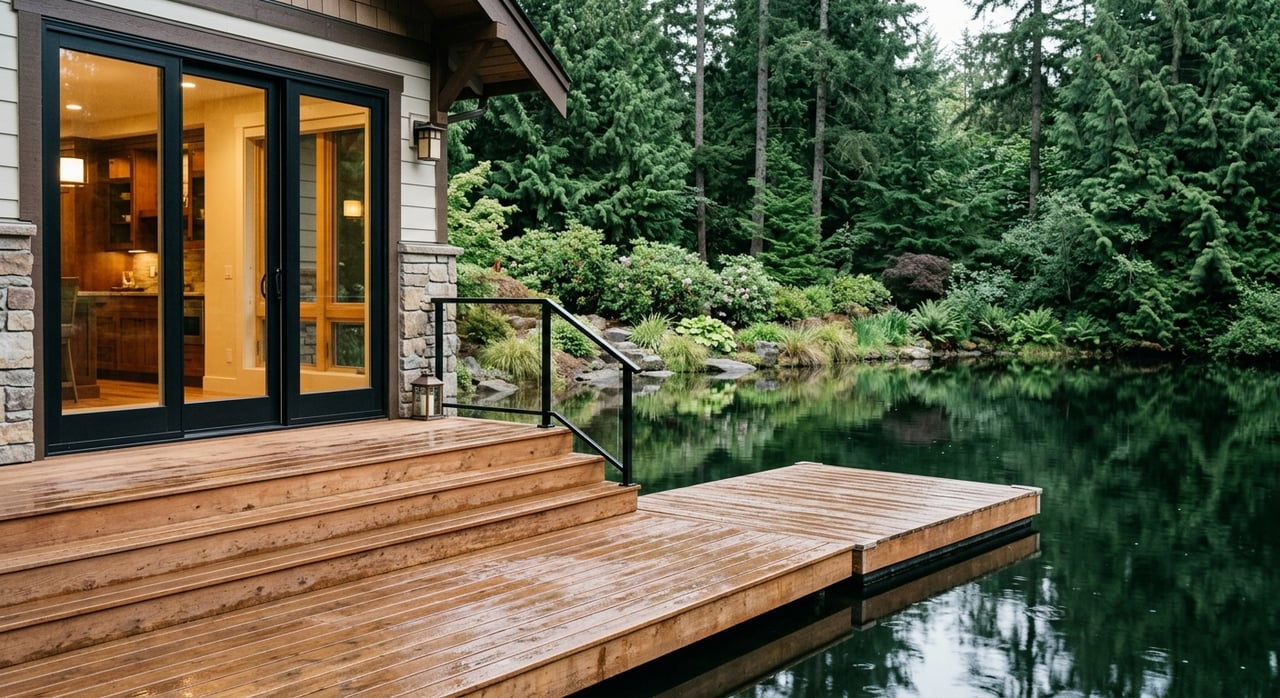
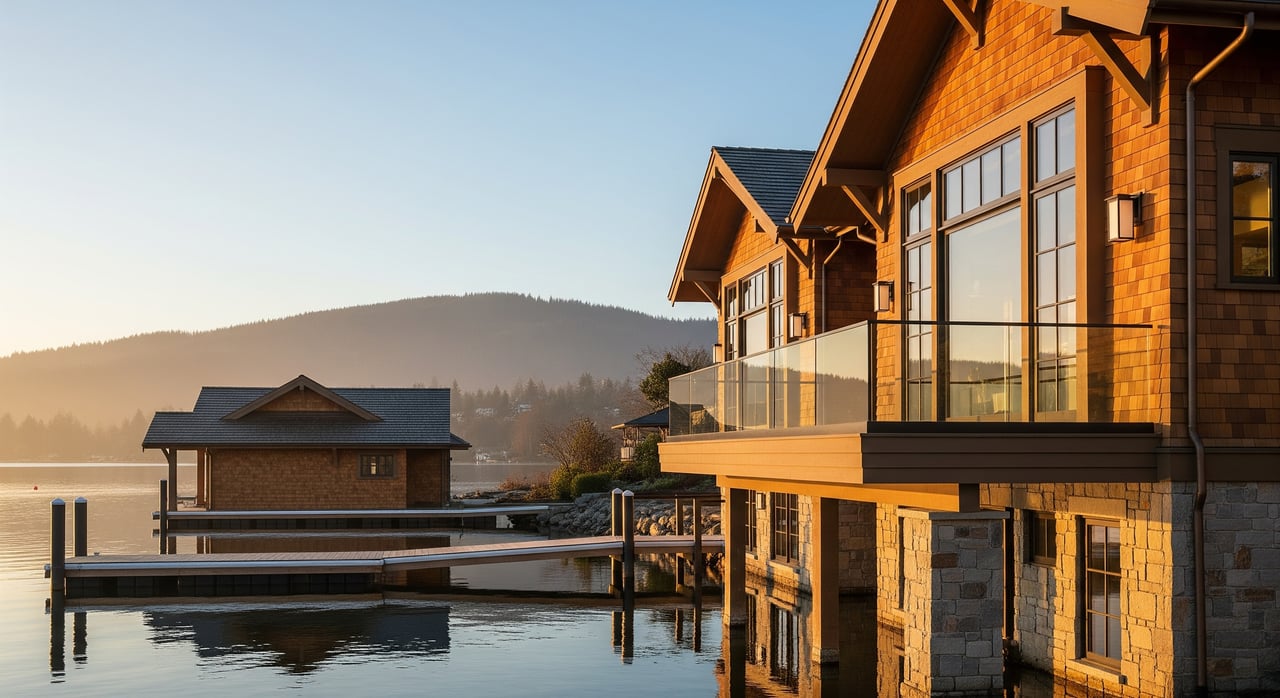
Lakefront location can add value, but it brings unique due diligence. Inspect docks, bulkheads, and shoreline structures for condition and permits. Appraisals often adjust for waterfront access, frontage, and views. Consider specialists such as structural engineers for docks or geotechnical input if erosion is suspected.
Floodplains and insurance
Parts of Snohomish County lie in FEMA flood zones. If a property is in a designated flood area, your lender may require flood insurance. Confirm the flood zone early in your process, especially for waterfront or low-lying homes, and factor premiums into your budget.
Septic systems and wells
Some homes around Lake Stevens and in unincorporated areas use septic systems or private wells. Schedule a septic inspection and review county records when applicable. Failed systems can be costly and may require upgrades to meet health department standards.
Age, rain, and moisture
Our climate is wet and cool, which means inspectors pay close attention to roofs, flashing, drainage, and ventilation. Watch for signs of water intrusion, especially in crawlspaces, basements, and around window openings. Remediation costs can vary, so get specialist bids when needed.
Permits and unpermitted work
Unpermitted additions or major system changes can affect both appraisal value and loan eligibility. Ask for seller disclosures and research permit history with the city or county. If work was not permitted, you may need to budget for corrections or negotiate accordingly.
Smart timelines and contingencies in local offers
Use your offer to protect your due diligence window and financing. Consider these practices:
- Build in a 7 to 10 business day inspection contingency when possible.
- Include an appraisal or financing contingency for financed offers.
- Clarify responsibility for specialty inspections such as sewer scope or septic.
- Sequence your schedule so you can receive the inspection report before appraisal results if timing allows.
Specialty inspections to consider near Lake Stevens
- Sewer scope for older homes or when blockages are suspected.
- Septic system evaluation if the home is not on municipal sewer.
- Well testing for private water systems.
- Roof inspection when age or condition is uncertain.
- Structural engineer review for foundation, framing, or shoreline structures.
- Mold or air quality testing if moisture is present.
- Radon testing as an added layer of environmental due diligence.
Seller tips to reduce surprises
- Consider a pre-listing inspection to identify major issues early. This can help you choose repairs, price accurately, or offer buyers clear disclosures.
- Pull your permit history and gather documentation for upgrades, roof replacement, HVAC, or remodels. Organized records build buyer confidence.
- Address health, safety, and lender-sensitive repairs before listing when practical. Items like missing handrails, broken steps, active leaks, or exposed wiring often come up.
- Present your home beautifully. Professional staging and media can help buyers focus on the value of your home while you handle any needed repairs behind the scenes.
The bottom line
You need both the appraisal and the inspection to make confident decisions. The appraisal protects the lender by verifying value. The inspection protects you by revealing the home’s condition. In Lake Stevens and greater Snohomish County, local factors like waterfront, flood zones, septic, and permitting can play a big role in both reports and your negotiation. Plan your contingencies, budget for fees, and lean on expert guidance to keep your closing on track.
If you are weighing your options or want a game plan for your next move, reach out. You will get clear timelines, local insight, and steady advocacy from offer to closing. Connect with Crystal Dickerson to talk about your home or your search.
FAQs
What is the difference between an appraisal and an inspection in Lake Stevens?
- An appraisal is a lender-ordered value opinion used to set your loan amount, while an inspection is a buyer-ordered evaluation of the home’s condition, safety, and maintenance needs.
How much do appraisals and inspections typically cost in Snohomish County?
- Appraisals are often $400 to $900 and general inspections are often $300 to $700, with specialty inspections costing extra based on scope and property type.
Do I need an inspection if I am paying cash for a Lake Stevens home?
- Yes, it is wise to get an inspection even without a loan because it helps you uncover defects, estimate repair costs, and negotiate with confidence.
What happens if the appraisal comes in below my contract price?
- You can bring in additional cash, ask the seller to reduce the price, split the gap, request a reconsideration of value, or cancel if your contingency allows.
Can an inspection report help me challenge a low appraisal?
- The inspection itself does not set value, but if it uncovers information that affects marketability or safety, your lender may consider it alongside additional comparable sales in a reconsideration request.
Who receives copies of the appraisal and inspection reports?
- The lender receives the appraisal and you are entitled to a copy; you receive the inspection report directly and choose who sees it during negotiations.
Are flood zones a deal breaker for Lake Stevens or Snohomish County homes?
- Not necessarily, but lenders may require flood insurance, and you should factor premiums and mitigation into your budget and due diligence.
What extra inspections should I consider for a lakefront property?
- In addition to a general inspection, consider dock and shoreline evaluations, potential geotechnical review if erosion is suspected, and confirmation of permits for waterfront structures.