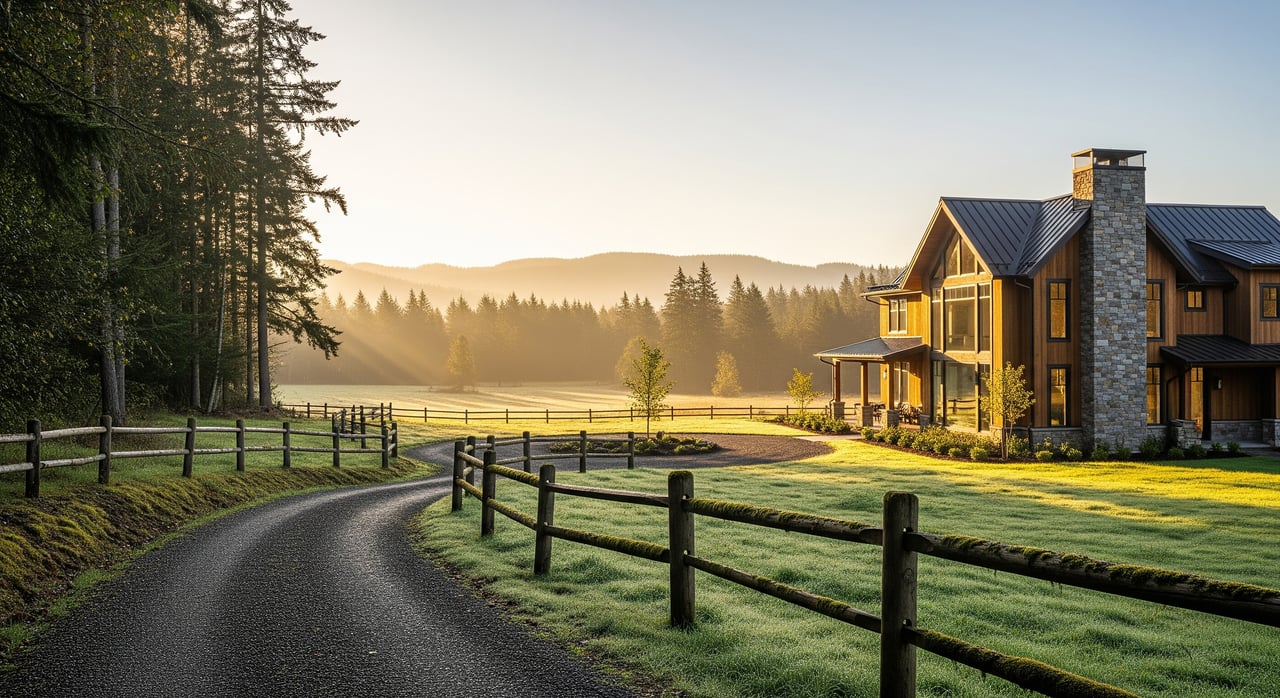
Dreaming of a few private acres near the trails and quiet of Lord Hill? You’re not alone. Many buyers in the 98290 area want space for gardens, horses, or a shop while staying within reach of Seattle–Bellevue–Everett job centers. In this guide, you’ll learn what to check before you buy: zoning, access, wells and septic, critical areas, costs, and the right local contacts. Let’s dive in.
Why Lord Hill acreage stands out
Lord Hill sits in the Snohomish/Monroe area, with parcels in and around ZIP 98290. The nearby Lord Hill Regional Park adds recreational value and a conservation-minded community feel. Buyers often look for privacy, hobby farming, small-scale timber, or room for outbuildings.
You should also plan for rural tradeoffs. Commutes may be longer, and utilities like natural gas, broadband, and municipal water or sewer are not always available. Service levels for mail, garbage, and fire protection vary depending on whether a parcel is inside the City of Snohomish or in unincorporated Snohomish County.
Zoning and buildability basics
County or city rules
Acreage around Lord Hill can fall under city or county zoning. Snohomish County Planning & Development Services (PDS) is your main contact for land-use designations, permitted uses, minimum lot sizes, setbacks, and whether a parcel is buildable as proposed. Confirm if the property is inside city limits, inside an Urban Growth Area, or fully rural. The rules, utilities, and future development options can differ by location.
Subdivision and lot coverage
Larger parcels may allow division, but the path depends on zoning and county processes, such as short plats or long plats. Development can trigger frontage improvements, stormwater controls, and permits for clearing or grading. Ask PDS about timelines and fees before you count on a future split.
Recorded restrictions and rights
Check the title and recorded documents with the Snohomish County Auditor/Recorder. You are looking for easements, covenants, road maintenance agreements, timber or mineral rights that may be separate from surface rights, and any conservation or current-use covenants that could limit building or require continued resource management. The Assessor can confirm tax classifications and special assessments.
Road and legal access
Never assume access. Many acreage properties rely on private roads. Confirm a recorded, legal easement and review any road maintenance agreement for cost sharing, snow plowing, and repair responsibilities. If access is implied or unrecorded, talk to a real estate attorney and your title insurer early.
Utilities, wells, septic, and services
Power and heating
Electricity is commonly provided by the local public utility district. Extending power to a remote homesite can require new poles, trenching, easements, and design fees. Natural gas is not guaranteed in rural areas, so many owners use electric heat or propane.
Water supply
Most acreage near Lord Hill uses private wells. Ask for existing well logs and any pump test data. If there is no well, a licensed well driller can estimate depth and likely yield based on nearby logs. Washington water law governs surface and groundwater use. Permit-exempt domestic wells have limits, and irrigation or commercial uses may require a water right. Seasonal fluctuations can affect shallow wells, especially in summer.
Septic feasibility
Onsite sewage systems are permitted and inspected by the Snohomish Health District. A passing soil and site evaluation is typically required for new systems or replacements. Soils, slopes, and proximity to wetlands or streams will influence where you place a home and drainfield. Keep space for a reserved drainfield if required.
Broadband and communications
Internet options can be limited on rural parcels. Check providers and map coverage in advance. Satellite and fixed wireless can bridge gaps but vary in latency and speeds. Plan your work-from-home needs before you write the offer.
Fire protection and basic services
Rural parcels are served by local fire districts. Confirm the responding district, distance to the nearest station, and whether hydrants or suitable water sources are nearby. Mail, garbage, and recycling services differ by location. Clarify providers and service levels if you rely on home deliveries.
Environmental and site conditions to review
Critical areas and buffers
Snohomish County regulates critical areas such as wetlands, streams, floodplains, steep slopes, geological hazards, aquifer recharge areas, and fish and wildlife habitat. These can limit the buildable envelope and require buffers, mitigation, and special permits. If a salmon-bearing stream or wetland is present, expect additional review and setbacks.
Floodplains and shorelines
Use FEMA flood maps to check for flood zones. Building in a floodplain can add requirements and insurance costs. Parcels near lakes or larger streams may be subject to shoreline rules under the state’s Shoreline Management Act and the county’s shoreline program.
Soils, slopes, and stability
The western foothills can include steep slopes, clay, or landslide-prone areas. A geotechnical or soils engineer can evaluate building pads, road routes, and septic placement. The NRCS Web Soil Survey offers high-level soil data, but onsite testing is the gold standard.
Forest practices and habitat
Forested properties may be subject to Washington’s Forest Practices rules for timber harvests. If you plan to thin or harvest, you will need to follow notification and protection standards for streams and wildlife. If protected species or critical habitat is present, you may need to coordinate with state or federal agencies.
Wildfire risk and defensible space
Wooded acreage can carry higher wildfire risk. Ask your fire district about defensible space recommendations and any code requirements for vegetation management around structures. Check insurance availability and pricing if you are in a higher-risk area.
Costs, taxes, insurance, and financing
Site development costs
Budget for more than the purchase price. Common line items include:
- Driveway construction, culverts, grading, and erosion control
- Vegetation clearing and possible tree removal
- Utility extensions for power, trenching, and service panels
- Well drilling and equipment or connection to an existing well
- Septic design, permitting, and installation
- Professional fees for survey, septic designer, civil or geotechnical engineer, wildlife or wetland consultants, and permit fees
Property taxes and current-use programs
The Assessor can confirm the tax rate and whether the parcel is in a current-use program for agriculture or timber. These programs can lower taxes but come with obligations. Removing a parcel from a current-use classification can trigger penalties. Also check for any local improvement district fees or special assessments.
Insurance considerations
Insurance premiums can differ from urban areas, especially if you are in a flood zone or higher wildfire risk. Flood insurance may be required if you build in a designated floodplain. Compare providers early so you understand your long-term costs.
Financing and lending
Some lenders apply stricter standards for rural acreage. If a property lacks a documented water source, septic feasibility, legal access, or buildable status, underwriting can be more complex. Lenders may request well logs, perc test results, surveys, or proof of access. Construction loans and rural programs, including VA or USDA in some cases, may be options depending on eligibility.
Due diligence: a practical checklist
Before you release contingencies or close, work through these steps:
- Confirm zoning and permitted uses with Snohomish County PDS. Ask about setbacks, lot coverage, buildability, and any subdivision path.
- Order a preliminary title report. Review with your agent and a real estate attorney for easements, covenants, road agreements, timber or mineral rights, and any conservation restrictions.
- Verify legal access in writing. For private roads, read the maintenance agreement. Confirm your share of upkeep and snow removal.
- Call utility providers for service availability and extension costs. Get ballpark quotes for power and broadband.
- Check septic feasibility with the Snohomish Health District. If needed, schedule soils and site evaluations with a licensed septic designer.
- Review existing well data. If no well, consult licensed well drillers for likely depth and yield. Ask about seasonal water level changes.
- Commission a perc test and, if slopes or poor soils are suspected, a geotechnical evaluation for your building pad and driveway.
- Review FEMA flood maps and county floodplain data. If needed, order an elevation certificate.
- If forested or in a timber program, talk to a licensed forester and the state agency about forest practices and management plans.
- Confirm fire district coverage, distance to a station, and any defensible space or water source requirements for firefighting.
- Get a boundary survey and mark property corners. Confirm setbacks and potential building envelopes.
- Verify tax status with the Snohomish County Assessor, including any current-use enrollment or withdrawal penalties.
- If you plan to divide or develop, meet a county planner for a feasibility check on road, stormwater, impact fees, and timelines.
- Coordinate with your title insurer about any access or easement gaps.
Smart strategies for 98290 buyers
- Front-load feasibility. Budget time and funds for well, septic, and geotechnical evaluations before you commit.
- Protect your timeline. Use contingencies tied to key approvals and reports, not just calendar dates.
- Think long term. Plan for maintenance of private roads, septic pump-outs, and potential well service.
- Build your team. A surveyor, septic designer, geotechnical engineer, licensed well driller, and a real estate attorney can save time and reduce risk.
How we help you buy acreage
Buying acreage is different from buying an in-town home. You benefit from a local guide who can coordinate specialists, interpret county rules, and negotiate based on real site conditions. With neighborhood roots and a data-informed approach, our team lines up the right experts, reads the fine print on title and access, and keeps your offer strategy aligned with feasibility.
If you are considering land or a rural estate near Lord Hill, let’s talk about your goals, timeline, and budget. We will map out a clear plan for due diligence, vendor referrals, and offer terms that protect you while keeping your purchase competitive. Connect with Crystal Dickerson to get started.
FAQs
What is the Lord Hill area and why is 98290 popular?
- Lord Hill refers to the Snohomish/Monroe area near Lord Hill Regional Park in ZIP 98290, where buyers seek privacy, space for hobbies or animals, and convenient access to Puget Sound job centers with a rural feel.
How do I check zoning and buildability in Snohomish County?
- Contact Snohomish County Planning & Development Services to verify zoning, permitted uses, setbacks, lot sizes, and whether your intended home, shop, or subdivision is allowed on the parcel.
How can I confirm legal access to an acreage parcel?
- Review the title report and recorded documents with the County Auditor/Recorder and a real estate attorney, and make sure any private road easements and maintenance agreements are clearly recorded.
What should I know about wells and water rights?
- Most parcels use private wells; request well logs and pump tests and confirm if your intended use fits within permit-exempt domestic limits or requires a separate water right under Washington law.
What is a perc test and who oversees septic in 98290?
- A perc test evaluates soil absorption for septic systems, and the Snohomish Health District oversees onsite sewage system permitting, inspections, and related approvals.
Are wetlands or streams a problem for building?
- Critical areas like wetlands and streams can reduce buildable area and require buffers and mitigation, so factor these into your site plan and consult county staff and qualified consultants early.
How do I check flood risk before I buy?
- Review FEMA Flood Insurance Rate Maps and county floodplain information to see if the property lies in a flood zone that could affect design, permitting, and insurance.
Can I harvest timber or manage my forested acreage?
- Yes, but timber harvests on private land must follow Washington’s Forest Practices rules; a licensed forester and the state agency can guide notifications, buffers, and habitat protections.
What taxes or programs might affect rural parcels?
- The County Assessor can confirm tax rates and whether the land is in a current-use program for agriculture or timber, which can lower taxes but carry withdrawal penalties if you change use.