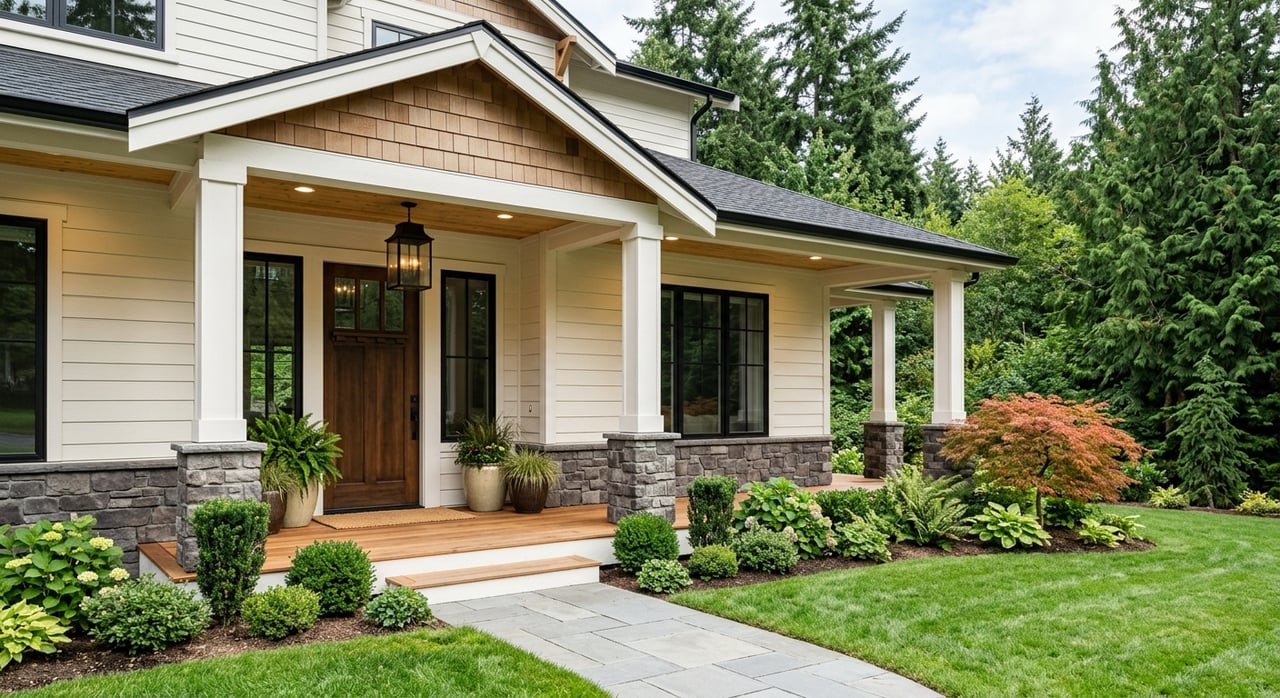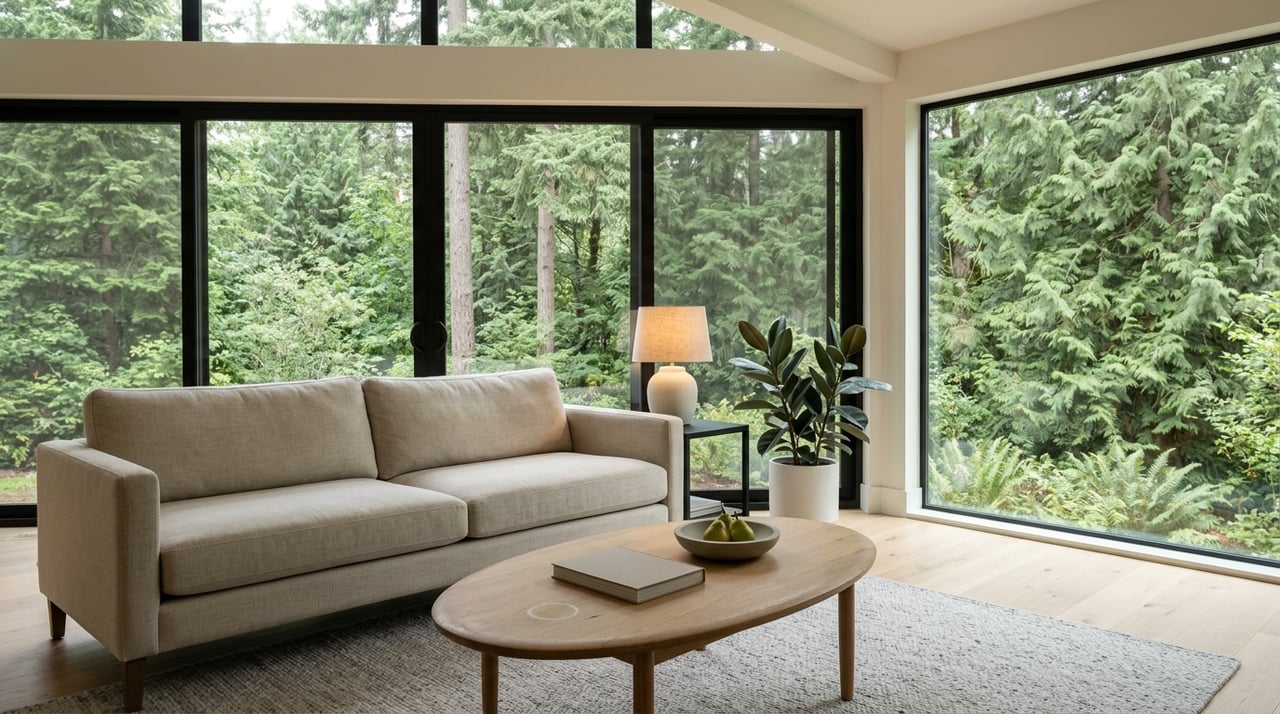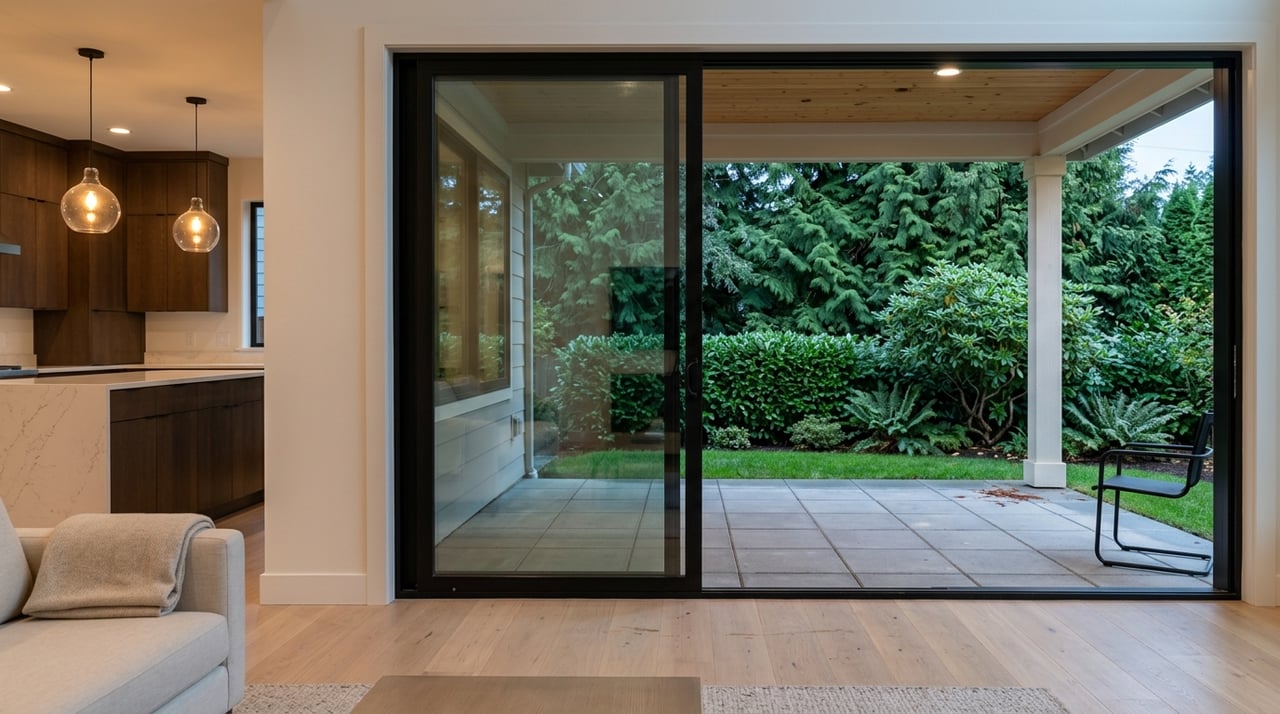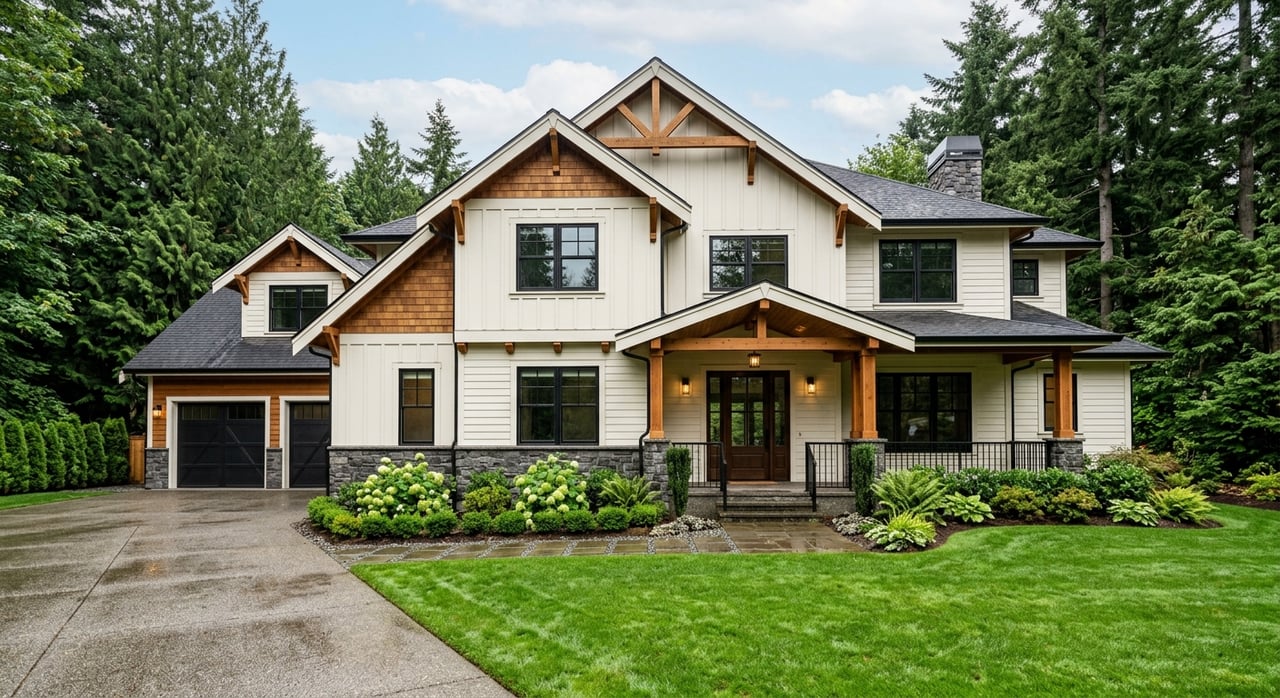
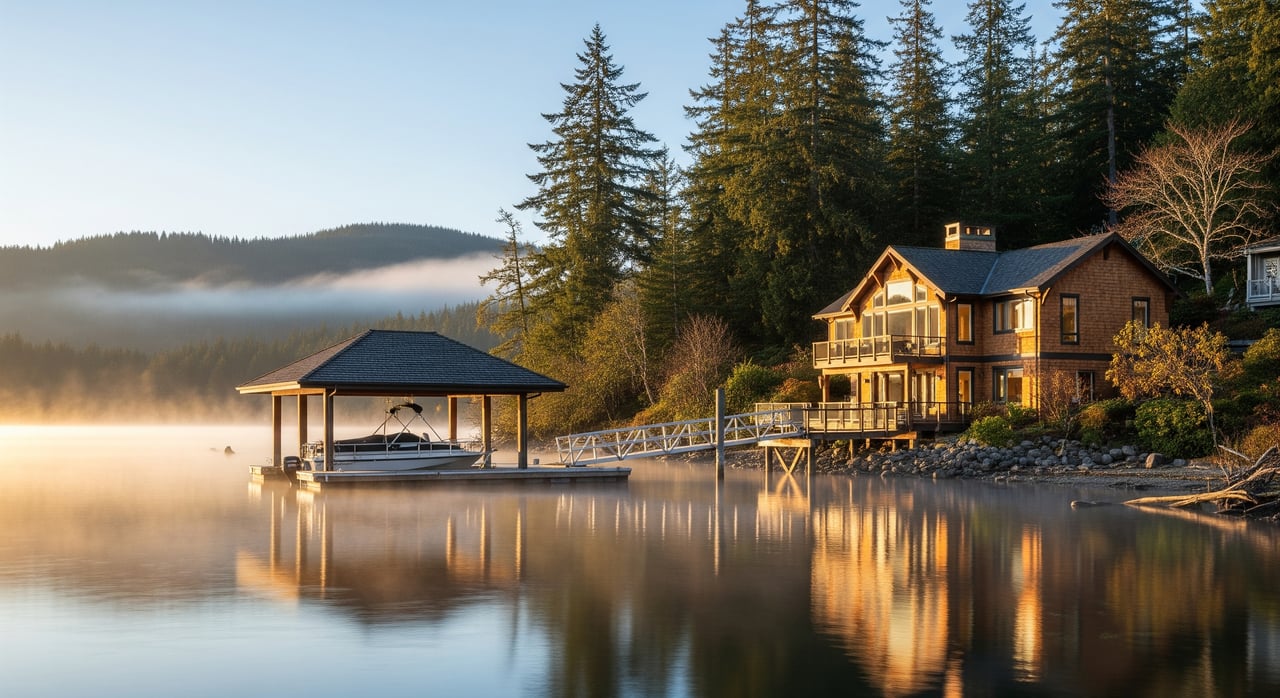
Coffee on the dock, paddle at sunrise, and a front-row seat to the seasons. Buying on Flowing Lake can deliver it all, but lakefront has rules, risks, and costs that most buyers do not see at first glance. If you plan ahead, you can avoid expensive surprises and protect your time at the water. This guide gives you a practical checklist tailored to Flowing Lake in ZIP 98290 and the wider Snohomish County market so you know exactly what to verify from offer to closing. Let’s dive in.
Why lakefront is different
Waterfront property sits under added layers of regulation and environmental sensitivity. Shoreline work, septic design, flood status, and dock repairs often require permits and professional input. Lenders and insurers may have special requirements. These factors influence what you can build, how you use the shoreline, and your long-term costs.
You will want targeted due diligence with the right experts. That means reviewing title and recorded rights, checking flood maps, inspecting septic and well systems, and confirming which shoreline changes are actually feasible.
What to look for on the shoreline
A site visit tells you a lot. Focus on how the land meets the water and how the shoreline has been modified.
- Shoreline type. Note if the bank is steep, gradual, marshy, or rocky. This affects access, erosion behavior, and dock placement.
- Access and adjacent uses. Walk the shoreline if allowed. Observe neighboring structures like boathouses, docks, and bulkheads.
- Existing structures. Inspect docks, stairs, bulkheads, or riprap for wear, undermining, or toe exposure. Ask for permit history for any past shoreline work.
- Water levels and exposure. Ask for photos from high and low water. Consider wave exposure and the length of open water in front of the property, which can drive dock design and maintenance.
- Slope stability. Look for slumping, cracks, or past slide scars, and plan a geotechnical evaluation on sloped sites.
- Vegetation and habitat. Note native buffers and any invasive plants or nuisance algae. These can affect permits and use.
Legal and title checks
Lakefront ownership rights are property specific. Confirm them early so your plans match reality.
- Shoreline rules. In Washington, the Shoreline Management Act guides local Shoreline Master Programs. Snohomish County regulates shoreline uses and setbacks, and many projects need county permits and environmental review.
- In-water work. Work that affects water or fish habitat often requires a Hydraulic Project Approval from Washington Department of Fish and Wildlife. Federal permits can apply if wetlands or dredge and fill are involved.
- Littoral rights and easements. Verify if your parcel includes rights to moor a boat or build a dock and whether any recorded easements limit your use.
- Tribal coordination. Local tribes in Snohomish County have significant resource interests, especially where fish habitat is concerned. Coordination may be required for certain projects.
- Survey and encroachments. Order a current boundary or ALTA survey showing the high-water line, improvements, and any encroachments or setback issues.
- Rentals and use. If you plan to rent, check local short-term rental rules that may limit or require registration.
Environmental and hazard checks
Understand the natural risks and how they affect safety, insurance, and future improvements.
- Flood status. Many lakefront parcels fall within FEMA flood zones. Lenders may require flood insurance, and typical homeowner policies do not cover flood.
- Erosion and shoreline change. Ask about historical erosion over the last 5 to 20 years and how neighboring armoring has influenced your site.
- Landslide or liquefaction risk. Western Washington seismic risks and steep slopes can combine for slope instability. A geotechnical review is wise where slopes are present.
- Wetlands and critical areas. Critical areas and buffers may cross your lot and limit development. Snohomish County enforces these protections.
- Water quality and invasives. Check for blue-green algal advisories and invasive plants. Prevention and inspection rules can affect boating and dock use.
Utilities and access
Confirm the basics that keep your home comfortable and compliant.
- Water source. Determine if water is from a public system or a private well. Ask for recent water tests and well records, and test for bacteria and nitrates.
- Septic system. Verify the permitted design, age, and capacity. Shoreline lots often have tight constraints on drainfields. A tank inspection and dye test are recommended.
- Power and roads. Confirm electrical service capacity and whether lines are buried or overhead. Verify legal access, private road maintenance obligations, and winter access for safety.
Insurance and financing
Plan for specialized coverage and lender requirements.
- Flood insurance. If the home is in a mapped flood zone, plan for a National Flood Insurance Program policy. Standard homeowner policies typically exclude flood.
- Extra coverage. Consider endorsements for erosion, landslide, debris removal, and earthquake coverage, which is a separate policy.
- Lending nuances. Expect a flood zone determination and possible underwriting conditions for shoreline risk or nonstandard improvements. Some permitted work may influence loan timing.
Permits and realistic timelines
Permitting timelines vary by project scope. Simple maintenance work may move faster, while new docks or major stabilization can take months and involve multiple agencies.
- Early consultations. Start with Snohomish County Planning and Development Services for shoreline permit guidance and critical area questions.
- State and federal reviews. Projects in or near water may require a Hydraulic Project Approval and, for wetlands or dredge and fill, federal review.
- Appeals and conditions. Conditional uses and appeals extend timelines. Build flexibility into your plans.
Your Flowing Lake buying checklist
Use this step-by-step list to stay on track from first interest through closing and move-in.
Before you write an offer
- Confirm the parcel includes shoreline or riparian rights and review any recorded restrictions or HOA covenants.
- Pull preliminary flood information using FEMA maps for the property address.
- Review Snohomish County parcel records and the County’s Shoreline Master Program summary for uses and setbacks.
- Ask the seller for permit history for docks, bulkheads, septic, grading, and shoreline work.
- Review the preliminary title report for easements, rights-of-way, encroachments, and any moorage agreements.
- Request recent photos showing high and low water conditions and any recent shoreline changes.
During your inspection contingency period
- Hire a home inspector or engineer with shoreline experience to assess docks, bulkheads, and slope stability.
- Order a boundary or ALTA survey that shows the mean or high-water line and improvements.
- If the lot is sloped or shows instability, hire a geotechnical engineer for a focused evaluation.
- Perform a septic inspection and dye test, confirm design capacity, and review records with the Snohomish Health District.
- If there is a well, test water for bacteria and nitrates, and consider arsenic and lead if plumbing is older.
- Gather professional estimates for any needed dock, bulkhead, or stabilization work.
- Schedule a pre-application conversation with county planning staff to discuss your desired projects, such as a new dock or bulkhead repair.
- Check for any current algae advisories or aquatic invasive species monitoring results on the lake.
Before closing
- Confirm whether any permits are transferable and that you understand ongoing permit conditions.
- Ensure there are no open code enforcement issues or unpermitted work.
- Obtain flood insurance quotes and verify your lender’s requirements and timing.
- Verify any HOA or shared access agreements, dues, and reserve status if you share moorage, roads, or a boat launch.
- Confirm utility connections, legal access, and private road maintenance obligations.
Post-closing setup
- Introduce yourself to Snohomish County planning staff, WDFW, the county health district, and local fire or EMS to confirm access details.
- If you plan shoreline changes, start the permit process early and confirm seasonal work windows.
- Enroll in local aquatic invasive species prevention programs and follow decontamination rules for boats and docks.
- Create a maintenance schedule for docks, bulkheads, and shoreline vegetation. Plan seasonal inspections and small repairs before they become larger projects.
Long-term costs to plan for
Owning at the water comes with recurring costs that help protect your shoreline and investment.
- Dock upkeep. Budget for float replacement, decking, hardware, and periodic inspections.
- Bulkhead or stabilization. Expect maintenance and, in some cases, permits for repair or replacement.
- Vegetation management. Keep native buffers healthy to stabilize banks and support habitat.
- Debris and sediment. Plan for seasonal cleanup after storms and high-water events.
- Shared facilities. If you have community moorage or a private boat launch, include HOA dues and potential special assessments in your budget.
Local experts and agencies
Your team will vary by property, but most buyers benefit from early conversations with:
- Snohomish County Planning and Development Services for shoreline permitting and critical areas.
- Snohomish Health District for septic system records and inspections.
- Washington Department of Ecology for water quality, well logs, and environmental permits.
- Washington Department of Fish and Wildlife for Hydraulic Project Approvals and aquatic invasive species information.
- U.S. Army Corps of Engineers for wetlands and dredge or fill questions.
- Local tribes in Snohomish County for fisheries and habitat coordination when relevant.
- Marine contractors, geotechnical engineers, shoreline or environmental consultants, and certified septic and well professionals.
How we help you buy on Flowing Lake
You deserve a calm, informed path to the water. With attentive buyer representation that prioritizes communication, negotiation, and clear education, you get a partner who can help coordinate due diligence, connect you with the right local specialists, and keep your timeline on track. When you are ready to explore lakefront options in Snohomish County, connect with Crystal Dickerson for guidance that is both meticulous and local.
FAQs
Flowing Lake dock permits: Can I build or expand a dock?
- Possibly. Most shoreline work requires county permits and may need state and federal approvals. Feasibility depends on shoreline type, habitat, and recorded rights for your parcel.
Flood insurance for Flowing Lake homes: Do I need it?
- If your home is in a FEMA flood zone your lender may require it. Standard homeowners insurance usually excludes flood, so plan for a separate policy.
Shoreline surveys on Flowing Lake: Do I really need one?
- Yes. A boundary or ALTA survey confirms the high-water line, setbacks, and any encroachments so you can plan improvements and avoid disputes.
Septic systems near Flowing Lake: What should I check?
- Verify the permitted design and capacity, order a tank inspection and dye test, and review records with the Snohomish Health District to confirm compliance and replacement options.
Short-term rentals at Flowing Lake: Are they allowed?
- Rules vary by jurisdiction. Snohomish County and nearby cities may limit or require registration for short-term rentals. Confirm before you buy if rental income is part of your plan.
Permitting timelines for Flowing Lake projects: How long?
- Simple maintenance may move quickly, but new docks or major stabilization can take weeks to months and often involve multiple agencies. Start early and plan for contingencies.